
-
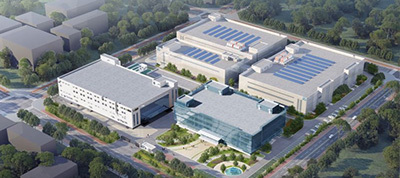 About UsBeijing Northland Biotechnology Co., Ltd. is an innovative biopharmaceutical company specializing in the research, development, production, and sales of gene therapy drugs, recombinant protein drugs, and ophthalmic drugs.
 -
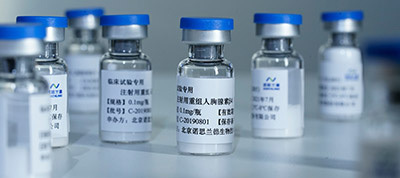 R&DPrimarily dedicated to the research, development, and industrialization of novel bioengineered drugs in areas such as cardiovascular diseases, metabolic disorders, rare diseases, and ophthalmic diseases.
 -
 Investor RelationsGuided by the principle of “Creating Value, Serving Health,” the company is committed to becoming an innovative biopharmaceutical enterprise, contributing to the advancement of China’s pharmaceutical industry and the well-being of humanity.



Recombinant Human Thymosin β4 for Injection (NL005)
● Project Overview
Registration Category: Class 1 Therapeutic Biological Product
Indications: (1) Ischemia-reperfusion injury caused by acute myocardial infarction
(2) Acute Lung Injury and Acute Respiratory Distress Syndrome
(3) Dry Eye Syndrome
R&D Progress: Ischemia-Reperfusion Injury Caused by Acute Myocardial Infarction (Phase II Clinical Trial Study)
Government Projects: Continuously supported by the national major science and technology projects for the development of new drugs under the “11th Five-Year Plan,” “12th Five-Year Plan,” and “13th Five-Year Plan.”
Market Prospects: China has at least 2 million patients with myocardial infarction. Currently, there are no clinically available drugs that effectively promote myocardial tissue repair in patients suffering from ischemia-reperfusion injury induced by myocardial infarction. This product can inhibit apoptosis, promote angiogenesis, and enhance the ischemic resistance of cardiomyocytes, holding promise as a new therapeutic agent.
For detailed market forecasts, see https://mp.weixin.qq.com/s/sL_4p-dQm8n5AsOXPv2EVQ (Source: Yaodu Consulting)
● Mechanism of action
NL005 is administered via intravenous injection. Tβ4 can reach the reperfusion injury site in the heart through the bloodstream, and by modulating inflammation, inhibiting cardiomyocyte apoptosis, promoting neovascularization at ischemic sites, and facilitating tissue repair, it achieves the therapeutic goal of treating the disease.
●Research findings
This project has entered Phase II clinical trials and has systematically completed preclinical studies, including pharmaceutical studies, pharmacokinetic studies, and animal experiments. In addition, the Phase I clinical trial in humans has been successfully completed, demonstrating the safety of the drug and its high level of tolerability in humans.
Existing research results indicate that NL005 exhibits significant therapeutic effects in an MIRI animal model and outperforms the control drug in terms of treatment efficacy, while also requiring a lower clinical dosage.
The project has established a stable pilot-scale preparation process and comprehensive quality standards, and is capable of industrialization.
Drug package insert
Friendly Links: Baidu | NORTHLAND
Contact Information
Address: Room A406, Zhongguancun Biomedical Park, No. 5 Kaituo Road, Shangdi, Haidian District, Beijing
Follow Us
Northland is an innovative biopharmaceutical company specializing in the R&D, manufacturing and sales of gene therapy drugs, recombinant protein drugs and ophthalmic medications.

Web site

NL-BIO

NL003
NL005