
-
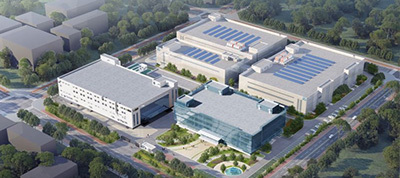 About UsBeijing Northland Biotechnology Co., Ltd. is an innovative biopharmaceutical company specializing in the research, development, production, and sales of gene therapy drugs, recombinant protein drugs, and ophthalmic drugs.
 -
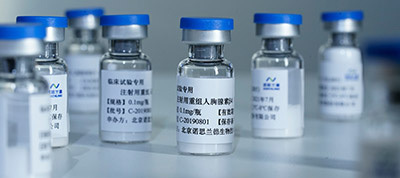 R&D and ProductsPrimarily dedicated to the research, development, and industrialization of novel bioengineered drugs in areas such as cardiovascular diseases, metabolic disorders, rare diseases, and ophthalmic diseases.
 -
 Investor RelationsGuided by the principle of “Creating Value, Serving Health,” the company is committed to becoming an innovative biopharmaceutical enterprise, contributing to the advancement of China’s pharmaceutical industry and the well-being of humanity.



The results of the Phase II clinical study on recombinant human hepatocyte growth factor naked plasmid injection have been published in Molecular Therapy.
Recently, the results of the Phase II clinical study on “Recombinant Human Hepatocyte Growth Factor Naked Plasmid Injection” (NL003), a gene therapy drug developed by our company, for the treatment of severe limb ischemia (CLI) were published in Volume 27, Issue 12 of Molecular Therapy (pages 2158–2165). This journal is sponsored by the American Society of Gene & Cell Therapy and primarily publishes groundbreaking research findings in the field of molecular therapy. Its impact factor for 2018 was 8.402.

This study employed a randomized, double-blind, multicenter, placebo-controlled design. A total of 200 CLI subjects were randomly enrolled across nine research centers in China, with 50 subjects assigned to each of the high-, medium-, and low-dose groups as well as the placebo group. The trial’s observation period lasted 180 days. The primary endpoints were the rate of complete pain relief and the rate of complete ulcer healing, and adverse reactions were also evaluated. This clinical study received two rounds of national funding under the “Major New Drug Development” program.
The results of the Phase II study show that, in terms of efficacy, all treatment groups demonstrated significant pain relief compared to the placebo group (p<0.05). On Day 180, the rate of complete disappearance of resting pain without the use of analgesics was statistically significantly higher in the treatment groups than in the placebo group (p<0.05). Regarding ulcer healing rates, the high-dose group achieved a rate of 66.67%, which was statistically significantly higher than the 27.27% observed in the placebo group (p=0.0243). In terms of safety, there were no significant differences between the treatment groups and the placebo group in the incidence of adverse events (AEs), serious adverse events (SAEs), or local reactions at the injection site; no SAEs related to the study drug were reported. Among previously published clinical trial results for similar investigational drugs, this is the first time that both the complete disappearance rate of resting pain—a key symptom of CLI—and the complete ulcer healing rate have simultaneously shown positive outcomes. The trial results indicate that the drug exhibits a favorable safety profile and demonstrates good therapeutic efficacy for severe lower-limb arterial ischemia, providing a solid basis for initiating Phase III clinical trials.
NL003 is a naked-plasmid gene therapy product constructed using the highly efficient pCK vector and a modified human HGF gene sequence. After intramuscular injection into the ischemic area of the affected limb, it transfects skeletal muscle cells, enabling simultaneous expression and secretion of two naturally occurring HGF isoforms—HGF723 and HGF728. The HGF proteins promote the proliferation and migration of endothelial cells as well as the migration of arterial smooth muscle cells, thereby stimulating angiogenesis in the ischemic region and establishing collateral circulation via a microvascular network. This approach achieves the therapeutic goal of treating limb ischemic diseases. NL003 can be used to treat severe lower-limb ischemic disease (CLI) and also for conditions such as diabetic peripheral neuropathy (DPN).
Critical limb ischemia (CLI) represents the most severe stage of insufficient blood supply to the lower limbs, typically caused by conditions such as atherosclerosis of the lower extremity arteries, thrombo-occlusive vasculitis, and diabetic lower-limb ischemia. The primary clinical manifestations include impaired walking ability, rest pain, and ulcers, all of which significantly compromise patients’ quality of life. Currently, no effective pharmacological treatments for CLI have been developed worldwide; clinically, vascular reconstruction is mainly achieved through percutaneous endovascular interventions and bypass surgery. However, due to strict surgical indications and limitations imposed by vascular conditions, only a subset of patients is eligible for vascular reconstruction, and these procedures are associated with issues such as postoperative restenosis and suboptimal efficacy. With the global trend toward an aging population and the increasing number of individuals at risk for related diseases—including hypertension, hyperlipidemia, diabetes, and smoking—there is a growing prevalence of CLI patients, highlighting a significant unmet medical need in this field.
The journal also published an editorial titled “Gene Therapy for CLI Enters Clinical Practice,” which offered a positive assessment of the trial’s results. The author stated: “CLI represents a significant global health challenge, and it is of great importance that investigational drugs achieve robust, positive outcomes in randomized, blinded, controlled studies. Although there are still some issues—such as mechanisms of action and clinical dosing strategies—that require further validation, the results of this newly published HGF naked plasmid gene therapy study offer hope to patients who currently have no suitable treatment options available.”
The “Recombinant Human Hepatocyte Growth Factor Naked Plasmid Injection” has now entered Phase III clinical trials. Our company will promote the conduct of these clinical trials in a scientifically rigorous and standardized manner, striving to bring the drug to market as soon as possible, thereby providing clinicians with more treatment options and improving patients’ quality of life.
Paper link: https://www.sciencedirect.com/science/article/abs/pii/S1525001619304939
Share to:


Friendly Links: Baidu | NORTHLAND
Contact Information
Address: Room A406, Zhongguancun Biomedical Park, No. 5 Kaituo Road, Shangdi, Haidian District, Beijing
Follow Us
Northland is an innovative biopharmaceutical company specializing in the R&D, manufacturing and sales of gene therapy drugs, recombinant protein drugs and ophthalmic medications.

Web site

NL-BIO

NL003
NL005