
-
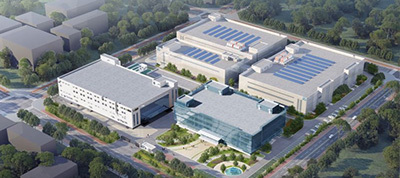 About UsBeijing Northland Biotechnology Co., Ltd. is an innovative biopharmaceutical company specializing in the research, development, production, and sales of gene therapy drugs, recombinant protein drugs, and ophthalmic drugs.
 -
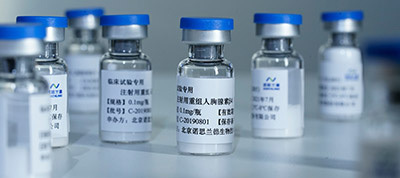 R&D and ProductsPrimarily dedicated to the research, development, and industrialization of novel bioengineered drugs in areas such as cardiovascular diseases, metabolic disorders, rare diseases, and ophthalmic diseases.
 -
 Investor RelationsGuided by the principle of “Creating Value, Serving Health,” the company is committed to becoming an innovative biopharmaceutical enterprise, contributing to the advancement of China’s pharmaceutical industry and the well-being of humanity.



The results of the Phase II clinical trial for “Recombinant Human Hepatocyte Growth Factor Naked Plasmid Injection” were presented at the 28th International Union of Angiology World Congress.
Recently, the 28th International Union of Angiology World Congress (IUA) and the 10th China Capital Vascular Forum (CCVS) were held at the Beijing International Conference Center. Professor Guo Lianrui from the Department of Vascular Surgery at Xuanwu Hospital of Capital Medical University, representing the entire research team, announced... Results of the Phase II Clinical Study on “Recombinant Human Hepatocyte Growth Factor Naked Plasmid Injection” for the Treatment of Severe Lower Limb Arterial Ischemic Disease in China The conference presentation is titled: “Safety and Efficacy of Gene Naked Plasmid Therapy Expressing Two Subtypes of Hepatocyte Growth Factor in Treating Pain and Ulcers in Patients with Severe Lower Limb Arterial Ischemia.”

The Phase II clinical trial of “Recombinant Human Hepatocyte Growth Factor Naked Plasmid Injection” employed a multicenter, randomized, double-blind, placebo-controlled parallel-group design. The study population consisted of patients with severe lower-limb arterial ischemic disease, with a total of 200 subjects enrolled and randomly assigned to high-, medium-, and low-dose groups as well as a placebo control group. The primary endpoints of the trial were the complete pain disappearance rate and the complete ulcer healing rate, and adverse reactions were also evaluated. The trial was conducted over a period of 180 days. The results showed that, by Day 180 of the trial, the complete pain disappearance rates in all treatment groups were significantly higher than those in the control group (p<0.05), with the high-dose group demonstrating the most pronounced effect. Moreover, on Day 180, the complete ulcer healing rate in the high-dose group was significantly superior to that in the control group (p<0.05). During the trial period, no obvious adverse events related to the study drug were observed in any of the treatment groups, nor were any serious adverse events reported. The results of the Phase II clinical trial indicate that the study drug exhibits a high safety profile and demonstrates favorable therapeutic efficacy for patients with severe lower-limb arterial ischemic disease.
Currently, lower-limb arterial ischemic disease has become a common clinical condition, and with the ongoing aging of the population, its incidence is on the rise. The primary clinical manifestations include rest pain, ulcers, and gangrene. The disease course is prolonged, and patients experience severe, unbearable pain. Without effective treatment, they face the risk of amputation or even death. However, worldwide, there are still no effective pharmacological treatments available for severe lower-limb arterial ischemic disease. Currently, the main therapeutic approaches are surgery or endovascular intervention; yet due to strict surgical indications and limitations imposed by vascular conditions, only a subset of patients can undergo vascular reconstruction. Moreover, these procedures are associated with issues such as postoperative restenosis and suboptimal efficacy.
With the advancement of gene therapy technology, angiogenesis therapies—represented by vascular endothelial growth factor gene therapy—have emerged as a new treatment approach, bringing hope to many patients. The "Recombinant Human Hepatocyte Growth Factor Naked Plasmid Injection," developed by Beijing Northland Biotechnology Co., Ltd., is one of the few naked-plasmid gene therapies worldwide that have entered the clinical trial stage. Dr. Gu Yongquan, Chief of Vascular Surgery at Xuanwu Hospital of Capital Medical University and the principal investigator of the Phase II clinical trial for this drug, stated: “The results of the Phase II clinical trial have met the anticipated efficacy. Once this drug is launched, it will provide clinicians with a new treatment option and bring significant benefits to patients suffering from severe lower-limb ischemic disease. We encourage the initiation of large-scale Phase III clinical trials.”
Related links: https://mp.weixin.qq.com/s?__biz=MzA5MjEzODQ3NA==&mid=2655764052&idx=3&sn=041fc
2bfa2e90d41e7ea1d5fd27f0fd4&chksm=8bcea0d1bcb929c727f20b61e95b2f50b0179ad9f84944642cca6720
Share to:


Friendly Links: Baidu | NORTHLAND
Contact Information
Address: Room A406, Zhongguancun Biomedical Park, No. 5 Kaituo Road, Shangdi, Haidian District, Beijing
Follow Us
Northland is an innovative biopharmaceutical company specializing in the R&D, manufacturing and sales of gene therapy drugs, recombinant protein drugs and ophthalmic medications.

Web site

NL-BIO

NL003

NL005