
-
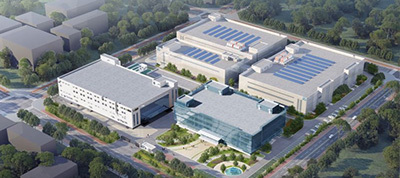 About UsBeijing Northland Biotechnology Co., Ltd. is an innovative biopharmaceutical company specializing in the research, development, production, and sales of gene therapy drugs, recombinant protein drugs, and ophthalmic drugs.
 -
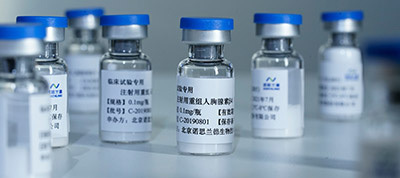 R&D and ProductsPrimarily dedicated to the research, development, and industrialization of novel bioengineered drugs in areas such as cardiovascular diseases, metabolic disorders, rare diseases, and ophthalmic diseases.
 -
 Investor RelationsGuided by the principle of “Creating Value, Serving Health,” the company is committed to becoming an innovative biopharmaceutical enterprise, contributing to the advancement of China’s pharmaceutical industry and the well-being of humanity.



The Class 1 biologic drug “Recombinant Human Thymosin β4 Injection (rh-Tβ4)” has completed its Phase I single-dose clinical study.
The Class 1 new biological drug—recombinant human thymosin β4 (rh-Tβ4) injection—developed independently by Beijing Northland Biotechnology Co., Ltd. has recently successfully completed its Phase I single-dose clinical trial. The company has finalized the protocol for the Phase I multiple-dose clinical study of this drug and has recently initiated the study, which is expected to be completed within 2018.
Thymosin β4 is a small-molecule protein naturally present in the human body. It exhibits various biological activities, including protecting and repairing myocardial tissue, exerting anti-inflammatory effects, promoting corneal repair and wound healing, stimulating angiogenesis at damaged sites, participating in nervous system repair, and enhancing hair growth. As such, it can be used to develop therapeutic agents for indications such as skin injuries, corneal damage, dry eye syndrome, and myocardial infarction.
The recombinant human thymosin β4 (rh-Tβ4) developed by NORTHLAND is a genetically engineered, recombinant, modified form of Tβ4 that has been granted invention patents in multiple countries including China, the United States, South Korea, Europe, and Japan. Preclinical pharmacodynamic studies have demonstrated that this drug exhibits significant therapeutic effects in ischemia-reperfusion models induced by myocardial infarction in rats and pigs, restoring cardiac function, reducing infarct size, and enhancing collateral circulation at the ischemic site. It also possesses anti-apoptotic and antioxidant properties. Moreover, compared to chemically synthesized natural thymosin β4, rh-Tβ4 can greatly reduce the dosage required, thereby improving drug safety.
The Phase I single-dose clinical study was designed by the team led by Professor Xinghe Wang from the Phase I Clinical Trial Research Laboratory of Beijing Century Tan Hospital, and the clinical procedures were carried out by the same team. The study employed a randomized, double-blind, placebo-controlled, dose-escalation trial design to evaluate the safety and tolerability of a single intravenous injection of recombinant human thymosin β4 in healthy volunteers, determine the maximum tolerated dose (MTD) and dose-limiting toxicities (DLTs), and simultaneously assess pharmacokinetic (PK) parameters and anti-drug antibody (ADA) responses. A total of 54 healthy volunteers were enrolled in this study and assigned to seven different dose groups. After a single dose, the volunteers were hospitalized for observation until Day 5 and returned to the hospital on Days 14 and 28 for safety follow-up. Throughout the entire study period, no dose-limiting toxicities (DLTs) or serious adverse events were observed in any of the dose groups. The pharmacokinetic profile exhibited linear characteristics. Among the 108 anti-drug antibody (ADA) samples tested post-administration, only one result could not be ruled out as a false positive; all other results were negative.
The preliminary results of the study demonstrate that the drug exhibits good tolerability and safety following a single dose, with a low likelihood of inducing anti-drug antibodies, thus achieving the anticipated study outcomes. Professor Wang Xinghe, the principal investigator, stated: “As a Class 1 novel biologic drug, this is the first time we’ve conducted clinical studies in humans. We meticulously designed the dosing regimen and clinical evaluation parameters to ensure a more scientific and rational assessment of the drug’s safety, thereby guaranteeing the authenticity and reliability of our study findings. Currently, the data from the single-dose study are encouraging and provide valuable support for refining the protocol of the Phase I multiple-dose study. We hope that subsequent research will proceed smoothly and that we can soon offer a new therapeutic option for ischemia-reperfusion injury associated with acute myocardial infarction.”
This study by NORTHLAND has simultaneously obtained the Phase I/II clinical trial approval issued by the National Medical Products Administration, and has continuously received project approval under the National 11th Five-Year Plan, 12th Five-Year Plan, and 13th Five-Year Plan Major New Drug Creation Programs. It has also been designated as a project under the "Beijing Municipal Science and Technology Commission's G20 Engineering Innovation Research" initiative.
Related links:
https://mp.weixin.qq.com/sbiz=MzA5MjEzODQ3NA==&mid=2655761411&idx=3&sn=2ff76ba934cf8d0a68aedbdbf0
b91de7&chksm=8bceaa86bcb92390f14af24255aa0f7471e56e1f11cb9e06fd068f5f074b299b69997438fed1&mpshare=
Share to:


Friendly Links: Baidu | NORTHLAND
Contact Information
Address: Room A406, Zhongguancun Biomedical Park, No. 5 Kaituo Road, Shangdi, Haidian District, Beijing
Follow Us
Northland is an innovative biopharmaceutical company specializing in the R&D, manufacturing and sales of gene therapy drugs, recombinant protein drugs and ophthalmic medications.

Web site

NL-BIO
NL003
NL005