
-
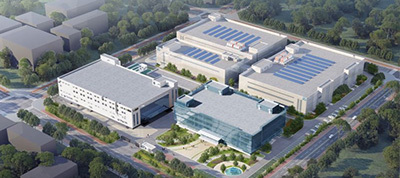 About UsBeijing Northland Biotechnology Co., Ltd. is an innovative biopharmaceutical company specializing in the research, development, production, and sales of gene therapy drugs, recombinant protein drugs, and ophthalmic drugs.
 -
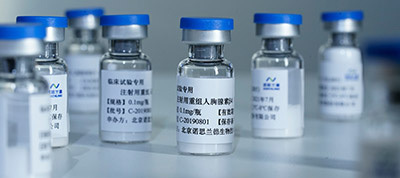 R&D and ProductsPrimarily dedicated to the research, development, and industrialization of novel bioengineered drugs in areas such as cardiovascular diseases, metabolic disorders, rare diseases, and ophthalmic diseases.
 -
 Investor RelationsGuided by the principle of “Creating Value, Serving Health,” the company is committed to becoming an innovative biopharmaceutical enterprise, contributing to the advancement of China’s pharmaceutical industry and the well-being of humanity.



The Phase II clinical trial of recombinant human thymosin β4 for injection has achieved the expected results.
Recently, our company has completed the data statistical analysis of the Phase IIa clinical trial for “Recombinant Human Thymosin β4 for Injection” (project code NL005), which is independently developed by our company and intended for the treatment of ischemia-reperfusion injury in acute myocardial infarction. The results indicate that the key endpoints of this Phase IIa clinical trial have met the anticipated targets.
This study employed a multicenter, randomized, double-blind, multi-dose, placebo-controlled parallel-group trial design. Led by Professor Dou Kefei from Fuwai Hospital, Chinese Academy of Medical Sciences, the trial involved a total of six centers and enrolled 62 subjects. The results showed that this product significantly reduced the area of myocardial infarction following ischemia-reperfusion injury, with no significant adverse reactions reported and good tolerability among volunteers. As the first study to focus on patients with the targeted indication, this project has preliminarily clarified the effective dose range of the drug and the appropriateness of the evaluation indicators, providing a reliable basis for the development of subsequent clinical study protocols. Currently, the company is actively preparing to initiate the Phase IIb clinical trial.
Recombinant human thymosin β4 (abbreviated as Tβ4) is a small-molecule protein naturally present in the human body, composed of 43 amino acids. Scientific research has shown that Tβ4 exhibits a variety of biological activities, including anti-inflammatory, pro-angiogenic, anti-apoptotic, and anti-fibrotic effects, making it suitable for the repair of organ and tissue injuries. Currently, the primary indication for this product is the treatment of reperfusion injury following acute myocardial infarction (referred to as MIRI). It also holds promise for the treatment of conditions such as dry eye syndrome and acute lung injury.
NL005 is a Class 1 innovative drug with independent intellectual property rights owned by our company. It has been successively included in the “Major New Drug Development” special programs of China’s “11th Five-Year Plan,” “12th Five-Year Plan,” and “13th Five-Year Plan,” and has received the “China Patent Excellence Award.” Previously, Phase I clinical trials involving healthy volunteers have been completed, preliminarily confirming its safety and pharmacokinetic characteristics in humans, thereby further supporting the promising development prospects of this drug. The results of this study have been officially published in the Journal of Cellular and Molecular Medicine.
Xu Songshan, Chairman of the company, stated: Currently, there are no approved drugs available worldwide for the treatment of MIRI. According to forecasts by relevant institutions, by 2025, the theoretical market size for MIRI treatment drugs in China could reach 6.34 billion yuan. If this drug is successfully developed, it will provide a new solution for the clinical treatment of MIRI and play a crucial role in improving treatment outcomes and enhancing patients’ quality of life. It is truly gratifying that the Phase IIa study has been completed on schedule and achieved the expected results. We would like to extend our heartfelt thanks to all participating research institutions, investigators, and clinical research teams for their hard work and dedication. The company will continue to work closely with clinical researchers to advance subsequent studies. We look forward to the successful completion of this drug’s development and its early availability on the market, providing effective and safe treatments for myocardial infarction and benefiting patients.
Share to:


Friendly Links: Baidu | NORTHLAND
Contact Information
Address: Room A406, Zhongguancun Biomedical Park, No. 5 Kaituo Road, Shangdi, Haidian District, Beijing
Follow Us
Northland is an innovative biopharmaceutical company specializing in the R&D, manufacturing and sales of gene therapy drugs, recombinant protein drugs and ophthalmic medications.

Web site

NL-BIO
NL003
NL005