
-
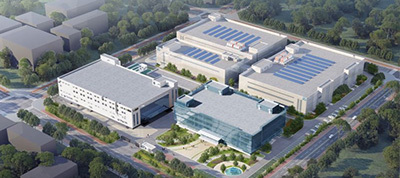 About UsBeijing Northland Biotechnology Co., Ltd. is an innovative biopharmaceutical company specializing in the research, development, production, and sales of gene therapy drugs, recombinant protein drugs, and ophthalmic drugs.
 -
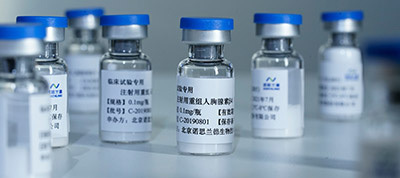 R&D and ProductsPrimarily dedicated to the research, development, and industrialization of novel bioengineered drugs in areas such as cardiovascular diseases, metabolic disorders, rare diseases, and ophthalmic diseases.
 -
 Investor RelationsGuided by the principle of “Creating Value, Serving Health,” the company is committed to becoming an innovative biopharmaceutical enterprise, contributing to the advancement of China’s pharmaceutical industry and the well-being of humanity.



The Phase IIb clinical study of the NL005 project has received ethical approval from the leading center.
Recently, our company’s new drug project, “Recombinant Human Thymosin β4 for Injection” (code name NL005), has received ethical approval and been approved by the Ethics Committee of the Fuwai Hospital, Chinese Academy of Medical Sciences—the leading coordinating center—for its Phase IIb clinical study evaluating the efficacy and safety of the drug in patients with acute myocardial infarction.
This Phase IIb study continues to be led by Professor Dou Kefei from Fuwai Hospital, Chinese Academy of Medical Sciences. The trial is planned to expand to 15 centers nationwide, with a target enrollment of no fewer than 90 subjects. This study will be jointly conducted with Beijing Haijingge Pharmaceutical Technology Co., Ltd. serving as the CRO and Shanghai PharmEngine Jinshi Pharmaceutical Technology Co., Ltd. serving as the SMO. Results from the Phase I and Phase IIa clinical studies have demonstrated that this product exhibits good safety and tolerability, and some efficacy has been observed, providing a solid basis for subsequent clinical trials. The Phase IIb clinical study will further evaluate the preliminary efficacy and safety across different dose groups, with the aim of identifying the optimal dosing regimen.
Project NL005 is mine. The company’s independently developed Class 1 recombinant protein innovative drug is indicated for ischemia-reperfusion injury (MIRI) caused by acute myocardial infarction. Currently, no such drug has been approved for marketing anywhere in the world. According to data from the World Health Organization (WHO), ischemic heart disease (IHD) has become the leading cause of death worldwide. In 2019, the number of deaths attributable to IHD reached 8.9 million, accounting for 16% of all global deaths. Moreover, the mortality rate from IHD has been on the rise, and the primary cause of this high mortality rate is acute myocardial infarction. Data released by the National Health Commission in 2021 show that cardiovascular diseases rank first among causes of death from disease in China. Each year, approximately 1 million people in China experience acute myocardial infarction, with a mortality rate exceeding 30%. Moreover, the age of onset has been trending younger in recent years.
Currently, clinical treatment for acute myocardial infarction primarily involves perfusion therapies such as PCI surgery and intravenous thrombolysis. The drug, however, can trigger further damage in many patients after the heart has regained blood perfusion. If successfully developed, this drug will offer a novel therapeutic strategy for myocardial protection following reperfusion therapy, reducing the area of myocardial infarction and thereby lowering the incidence of heart failure and mortality, and significantly improving clinical outcomes. Currently, this field remains largely unexplored worldwide, presenting excellent development prospects. This project is a key special research program under China’s 11th, 12th, and 13th Five-Year Plans for “Major New Drug Development.” It has been granted invention patents in China, the United States, Japan, South Korea, and Europe, and was awarded the “Outstanding Patent Award” in China.
Currently, preparations for the Phase IIb trial are largely complete. Under the new normal of the COVID-19 pandemic, the company has developed a comprehensive implementation plan, which will ensure the rational allocation of resources, effective organization of all participating parties in the trial, and the full utilization of each party’s expertise, thereby advancing the research in a scientific, reasonable, standardized, and planned manner.
Share to:


Friendly Links: Baidu | NORTHLAND
Contact Information
Address: Room A406, Zhongguancun Biomedical Park, No. 5 Kaituo Road, Shangdi, Haidian District, Beijing
Follow Us
Northland is an innovative biopharmaceutical company specializing in the R&D, manufacturing and sales of gene therapy drugs, recombinant protein drugs and ophthalmic medications.

Web site

NL-BIO
NL003
NL005