
-
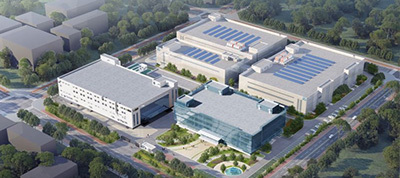 About UsBeijing Northland Biotechnology Co., Ltd. is an innovative biopharmaceutical company specializing in the research, development, production, and sales of gene therapy drugs, recombinant protein drugs, and ophthalmic drugs.
 -
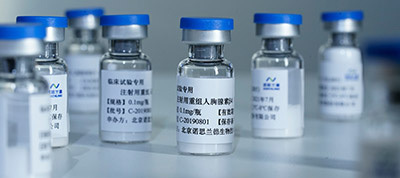 R&D and ProductsPrimarily dedicated to the research, development, and industrialization of novel bioengineered drugs in areas such as cardiovascular diseases, metabolic disorders, rare diseases, and ophthalmic diseases.
 -
 Investor RelationsGuided by the principle of “Creating Value, Serving Health,” the company is committed to becoming an innovative biopharmaceutical enterprise, contributing to the advancement of China’s pharmaceutical industry and the well-being of humanity.



The first patient has been enrolled in the Phase IIb clinical trial for NL005.
On July 15, 2022, my husband... The Phase IIb clinical trial of “Recombinant Human Thymosin β4 for Injection” (code name NL005), intended for the treatment of ischemia-reperfusion injury in acute myocardial infarction, has successfully completed enrollment of its first patient at the leading center, Fuwai Hospital of the Chinese Academy of Medical Sciences. Another successful enrollment was achieved on July 16. One case has kicked off the acceleration of clinical trials.
NL005 Phase IIb clinical The clinical trial conducted in a bed setting adopts a multicenter, randomized, double-blind, placebo-controlled parallel-group design. This trial will further evaluate the preliminary efficacy and safety of different dosage groups and determine the optimal dosing regimen. Building on the findings and procedures from the Phase IIa clinical study, the trial protocol has been optimized. Compared to Phase IIa, the Phase IIb trial features a more rigorous study design, a more scientifically selected patient population, and more precise evaluation metrics; however, it also presents greater challenges in terms of subject enrollment. The Phase IIb trial plans to recruit subjects from 15 research centers, with a minimum of 90 participants enrolled. As of the time of writing, NL005 has completed project approval at 14 centers, and ethical approval has been obtained for 6 of these centers. Among them, three centers—Fuwai Hospital, Linfen Central Hospital, and Luhe Hospital—have already officially commenced the trial and have successfully enrolled two subjects.
The NL005 project is an innovative recombinant protein drug independently developed by our company, classified as a Class 1 drug for registration purposes. Its intended indication is ischemia-reperfusion injury (MIRI) caused by acute myocardial infarction. In recent years, ischemic heart disease—primarily driven by acute myocardial infarction—has become the leading cause of death threatening human health and continues to rise year after year. Currently, clinical treatments for acute myocardial infarction mainly include percutaneous coronary intervention (PCI) and intravenous thrombolysis, both forms of reperfusion therapies. However, many patients experience further tissue damage after their hearts regain blood flow. To date, no effective drug for treating MIRI has been approved and marketed worldwide. Clinical assessment and treatment of MIRI have emerged as one of the key research areas in recent years. How to fully and effectively leverage the known mechanisms underlying MIRI to prevent or treat ischemic heart disease represents an urgent unmet clinical need both domestically and internationally.
Recombinant human thymosin β4 (abbreviated as Tβ4) is a small-molecule protein naturally present in the human body, composed of 43 amino acids. Tβ4 exhibits a variety of biological activities, including anti-inflammatory, pro-angiogenic, anti-apoptotic, and anti-fibrotic effects. It can be used in the treatment of various diseases such as myocardial infarction, dry eye syndrome, corneal injuries, and lung damage. If successfully developed, this drug will fill a critical gap in pharmacological treatments for myocardial ischemia-reperfusion injury (MIRI), providing a novel therapeutic strategy for myocardial protection following reperfusion therapy in clinical practice. This holds significant importance for preserving cardiac function and improving patients' quality of life. The primary indication for NL005 is MIRI. This project has been selected three consecutive times for the national “Major New Drug Development” special program and holds invention patents in China, the United States, Japan, South Korea, and Europe. It has also been awarded the “Outstanding Patent Award” in China.
The company will actively organize and allocate resources, conduct project management in a scientific manner, and fully cooperate with all researchers, CROs, and SMOs to strive for the early and high-quality completion of this clinical research task.
Share to:


Friendly Links: Baidu | NORTHLAND
Contact Information
Address: Room A406, Zhongguancun Biomedical Park, No. 5 Kaituo Road, Shangdi, Haidian District, Beijing
Follow Us
Northland is an innovative biopharmaceutical company specializing in the R&D, manufacturing and sales of gene therapy drugs, recombinant protein drugs and ophthalmic medications.

Web site

NL-BIO
NL003
NL005