
-
 About UsBeijing Northland Biotechnology Co., Ltd. is an innovative biopharmaceutical company specializing in the research, development, production, and sales of gene therapy drugs, recombinant protein drugs, and ophthalmic drugs.
 -
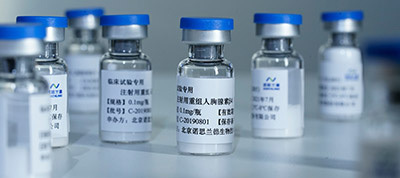 R&D and ProductsPrimarily dedicated to the research, development, and industrialization of novel bioengineered drugs in areas such as cardiovascular diseases, metabolic disorders, rare diseases, and ophthalmic diseases.
 -
 Investor RelationsGuided by the principle of “Creating Value, Serving Health,” the company is committed to becoming an innovative biopharmaceutical enterprise, contributing to the advancement of China’s pharmaceutical industry and the well-being of humanity.



The paper detailing the rationale and design of the Phase III clinical trial (HOPE CLTI) for NL003 in the treatment of severe limb ischemia has been published in the *American Heart Journal*.

Recently, a paper detailing the rationale and design of the Phase III clinical trial for our company’s gene therapy drug, “Recombinant Human Hepatocyte Growth Factor Naked Plasmid Injection” (NL003), which is used to treat critical limb ischemia (CLTI), was published in the American Heart Journal. The journal’s 2021 impact factor was 5.099.
The first author of this paper is Dr. Xiao Di, a medical doctor from the Department of Vascular Surgery at Peking Union Medical College Hospital, and the corresponding author is Professor Changwei Liu from the same department. The HITOP CLTI clinical trial consists of two multicenter, double-blind, placebo-controlled Phase III clinical trials designed to evaluate the efficacy and safety of NL003 administered via local intramuscular injection in patients with CLTI. This paper provides a systematic and comprehensive account—from both scientific and ethical perspectives—of the randomization method, blinding procedure, placebo selection, subject inclusion criteria, primary endpoint selection, and the rationale behind sample size determination used in the HOPE CLTI clinical trial.
A clinical trial refers to any systematic study of a drug conducted in humans—whether patients or healthy volunteers—to confirm or elucidate the drug’s effects, adverse reactions, and/or the drug’s absorption, distribution, metabolism, and excretion. The primary objective of such trials is to determine the efficacy and safety of the investigational drug. Before a new drug is approved for market release, it typically undergoes Phase I, Phase II, and Phase III clinical trials in sequence. Although each phase has distinct research objectives and methodologies, the results from each phase serve as critical criteria for deciding whether to proceed with subsequent studies or for informing the design of future clinical trials. Moreover, these results provide robust evidence to support the review and approval process for new drug registration applications. A clinical trial protocol is a document that outlines the trial’s purpose, design, methodology, statistical considerations, and organizational procedures—a technical document that guides and specifies how a clinical trial should be conducted. The design and preparation of such a protocol represent a complex and systematic undertaking, usually involving experts from multiple disciplines, including medicine, statistics, and ethics, to ensure both the safety of the clinical research process and the reliability of its results.
The journal’s acceptance and publication of this paper signify the peer experts’ recognition of the scientific validity and rationality of the Phase III clinical study protocol outlined in this manuscript. The journal’s editor believes that, to date, no clinical study protocols and methodologies for similar studies conducted in countries such as the United States and Japan have been publicly disclosed. Thus, the public release of this paper holds significant reference value and guiding implications for clinical research on similar drugs.
Detailed paper link:
https://www.sciencedirect.com/science/article/abs/pii/S0002870322001703?via%3Dihub
Regarding the NL003 Project
Name: Recombinant Human Hepatocyte Growth Factor Naked Plasmid Injection
Registration Category: Class 1 New Biological Product for Therapeutic Use (Gene Therapy Drug)
Indications: Dosage form for lower limb ischemic disease: 2 mg/1 mL/vial, aqueous injection
Intellectual Property: Chinese invention patents (e.g., ZL201910010091.X)
R&D phase: Phase III Clinical Study on Severe Lower Limb Ischemic Disease (Lead Unit: Peking Union Medical College Hospital)
The “Recombinant Human Hepatocyte Growth Factor Naked Plasmid Injection” (hereinafter referred to as “this product” or “this project”) is indicated for the treatment of Critical Limb Ischemia (CLI), a common and serious peripheral vascular disease caused by arterial stenosis or occlusion in the lower limbs. As a gene therapy drug based on vascular growth factors, this product is administered via local intramuscular injection at the site of the lesion. The naked plasmid vector releases the target gene into somatic cells, where it is expressed and secreted as human endogenous HGF protein (a vascular growth factor), thereby promoting the regeneration of new blood vessels and offering a novel therapeutic option for CLI patients.
The Phase I/II clinical study for this project has been completed, elucidating the safety profile, tolerability, PK/PD characteristics, and effective dose range. The drug can significantly reduce resting pain in CLI patients, improve ulcer healing rates, and enhance overall healing outcomes, demonstrating favorable efficacy and safety. Currently, a Phase III clinical trial is underway at 24 centers nationwide to further evaluate the drug’s efficacy and safety.
According to relevant data, the number of patients with lower-limb arterial disease (PAD) in China increased by 40% over the 20-year period from 2000 to 2020. By 2020, the number of PAD patients had reached between 41.13 million and 45.30 million. The prevalence of PAD among Chinese individuals aged 35 and older was approximately 6.6%. Patients with critical limb ischemia (CLI) account for about 11% of the total PAD population, and the overall number of CLI cases shows a yearly increasing trend. CLI patients have high rates of amputation and mortality; within six months, the mortality rate ranges from 10% to 30%, while 25% to 35% of these patients face the risk of high-level amputation. Moreover, the mortality rate among amputees rises to as high as 40% within two years.
Currently, lower-limb ischemic disease is a challenging condition characterized by high incidence, prolonged disease course, and a high disability rate. Clinically, there are currently no effective therapeutic drugs available, and the existing treatment options are relatively limited, primarily relying on interventional procedures and surgical vascular bypass techniques. As a result, many patients either cannot undergo surgery or, after surgery, face the prospect of recurrence with no viable medical treatment options remaining. NL003, a gene therapy drug specifically designed for CLI, will, once approved and launched, provide patients with an effective clinical treatment, fill the therapeutic gap in this field, and generate significant social and economic benefits.
Share to:


Friendly Links: Baidu | NORTHLAND
Contact Information
Address: Room A406, Zhongguancun Biomedical Park, No. 5 Kaituo Road, Shangdi, Haidian District, Beijing
Follow Us
Northland is an innovative biopharmaceutical company specializing in the R&D, manufacturing and sales of gene therapy drugs, recombinant protein drugs and ophthalmic medications.

Web site

NL-BIO

NL003

NL005