
-
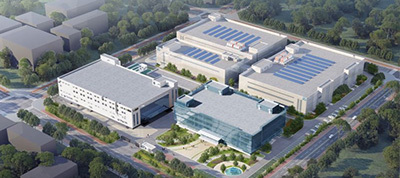 About UsBeijing Northland Biotechnology Co., Ltd. is an innovative biopharmaceutical company specializing in the research, development, production, and sales of gene therapy drugs, recombinant protein drugs, and ophthalmic drugs.
 -
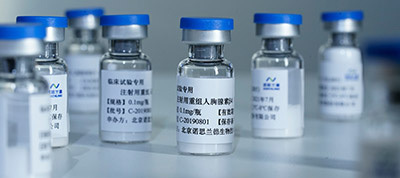 R&D and ProductsPrimarily dedicated to the research, development, and industrialization of novel bioengineered drugs in areas such as cardiovascular diseases, metabolic disorders, rare diseases, and ophthalmic diseases.
 -
 Investor RelationsGuided by the principle of “Creating Value, Serving Health,” the company is committed to becoming an innovative biopharmaceutical enterprise, contributing to the advancement of China’s pharmaceutical industry and the well-being of humanity.



NL003 has been granted a PCT Japanese patent, extending the protection of its core technological intellectual property.
 Recently, the company’s key innovative drug project under development—“Recombinant Human Hepatocyte Growth Factor Naked Plasmid Injection” (code-named NL003)—has received a patent certificate issued by the Japan Patent Office for its PCT international patent application. To date, the NL003 project has obtained invention patents covering aspects such as plasmid structure and manufacturing processes, thereby establishing a robust intellectual property protection strategy and system centered on core technologies.
The NL003 project has now been granted an additional overseas authorized invention patent titled “Human Hepatocyte Growth Factor Mutant and Uses Thereof” (Patent No.: Patent No. 7246494). Currently, this invention has already been granted a Chinese invention patent. In January 2020, the company filed an international patent application via the PCT (Patent Cooperation Treaty) route and has entered the national phase in Europe, the United States, Japan, and South Korea. This Japanese invention patent grant represents the first internationally authorized patent obtained by the company; patent applications in Europe, the United States, and South Korea are still under examination. Obtaining overseas patent authorization for this invention will help extend protection and leverage the company’s proprietary intellectual property advantages in its key innovative drug projects, enabling the company to maintain its technological leadership in the field of naked plasmid gene therapy drugs.
The company has always attached great importance to the protection of intellectual property rights for its research and development projects. It has formulated a comprehensive IP protection plan and strategy centered on core technologies and therapeutic indications, emphasizing the establishment of an IP protection system that primarily relies on invention patents while also taking into account design patents and utility model patents. By strategically arranging patent portfolios across areas such as processes, dosage forms, and applications, the company is building and perfecting exclusive IP protections that support both technological advancement and market development of its R&D projects. As of now, the group company has obtained 30 authorized patents, including 18 authorized invention patents, 1 design patent, and 5 utility model patents within China, as well as 6 authorized patents abroad. The company will continue to enhance its IP protection efforts, build technological barriers, and forge core competitive advantages in innovative drug development.
Share to:


Friendly Links: Baidu | NORTHLAND
Contact Information
Address: Room A406, Zhongguancun Biomedical Park, No. 5 Kaituo Road, Shangdi, Haidian District, Beijing
Follow Us
Northland is an innovative biopharmaceutical company specializing in the R&D, manufacturing and sales of gene therapy drugs, recombinant protein drugs and ophthalmic medications.

Web site

NL-BIO
NL003
NL005