
-
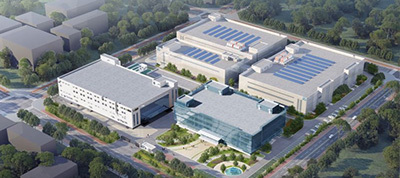 About UsBeijing Northland Biotechnology Co., Ltd. is an innovative biopharmaceutical company specializing in the research, development, production, and sales of gene therapy drugs, recombinant protein drugs, and ophthalmic drugs.
 -
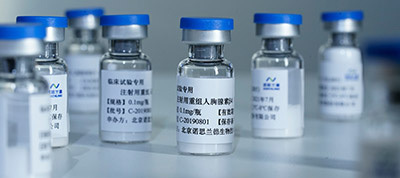 R&D and ProductsPrimarily dedicated to the research, development, and industrialization of novel bioengineered drugs in areas such as cardiovascular diseases, metabolic disorders, rare diseases, and ophthalmic diseases.
 -
 Investor RelationsGuided by the principle of “Creating Value, Serving Health,” the company is committed to becoming an innovative biopharmaceutical enterprise, contributing to the advancement of China’s pharmaceutical industry and the well-being of humanity.



For the first time, the results of the Phase III clinical trial of NL003 have been publicly released at a domestic professional academic conference.

April 20, 2024 “The...” The 9th Vascular Innovation Forum was solemnly held in Beijing. At the conference, Professor Changwei Liu from the Department of Vascular Surgery at Peking Union Medical College Hospital delivered a keynote report titled “Results of the First Domestic Phase III Clinical Trial on Gene Therapy for Severe Lower Limb Ischemia,” publicly presenting the results of the ulcer trial—the first pivotal trial—of our company’s independently developed “Recombinant Human Hepatocyte Growth Factor Naked Plasmid Injection” (code-named NL003), which is being used to treat severe lower limb ischemic disease. This marks the first time that efficacy and safety data from this trial have been released at a major academic conference in China.

The primary endpoint of this clinical trial was the “complete ulcer healing rate.” The experimental drug group showed a significantly higher ulcer healing rate compared to the placebo group. Moreover, subgroup analyses based on patient disease types—including lower-limb arterial sclerosis obliterans (ASO), thrombo-obliterating endarteritis (TAO), and subgroups with concurrent diabetes—also yielded positive results. With regard to secondary endpoints, the experimental drug group demonstrated significantly better outcomes than the placebo group in terms of mortality rate, major amputation rate, changes in Rutherford classification, and the percentage of cases showing a reduction in ulcer area of ≥50%. In terms of safety, no unexpected serious adverse events occurred during the trial; the incidence of adverse events and adverse reactions in the experimental drug group was lower than that in the placebo group.
At the meeting, Professor Liu Changwei emphasized that although rapidly developing endovascular intervention techniques are now widely used in patients with critical limb ischemia (CLTI), many patients still experience postoperative complications in clinical practice. Recurrent restenosis or conditions that are unsuitable for revascularization pose significant challenges, and the available pharmacological treatment options remain limited. NL003 innovatively proposes a “therapeutic angiogenesis strategy”—a approach that promotes the neovascularization of microvessels around ischemic tissues, thereby establishing collateral circulation networks and improving blood supply to ischemic areas, thus treating ischemic diseases. He stated: “The results of the Phase III clinical trial of NL003 for ulcers are encouraging. The primary endpoints of the clinical trial met expectations, demonstrating clear efficacy and excellent safety profile. From an innovative perspective, this drug targets a novel pathway and undoubtedly qualifies as a first-in-class innovative therapy. As the world’s first gene therapy to achieve positive results in a Phase III clinical trial for CLTI, it fills a critical gap in this therapeutic area.”
In recent years, drug development in the field of cell and gene therapy (CGT) in China has become increasingly active, and several CAR-T products have been approved and launched one after another. However, most in vivo gene therapies remain in the early stages of development, with few having advanced to Phase III trials. With the successful achievement of the primary endpoint in the NL003 Phase III trial, this product is poised to become China’s first in vivo gene therapy drug, offering clinicians and patients a new therapeutic option.
Related articles: https://mp.weixin.qq.com/s/7uEYEqyurWKkoOqNBIqNrQ
Share to:


Friendly Links: Baidu | NORTHLAND
Contact Information
Address: Room A406, Zhongguancun Biomedical Park, No. 5 Kaituo Road, Shangdi, Haidian District, Beijing
Follow Us
Northland is an innovative biopharmaceutical company specializing in the R&D, manufacturing and sales of gene therapy drugs, recombinant protein drugs and ophthalmic medications.

Web site

NL-BIO

NL003
NL005