
-
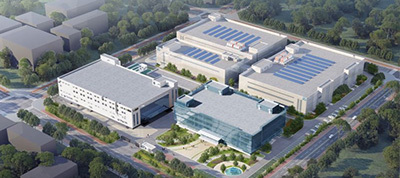 About UsBeijing Northland Biotechnology Co., Ltd. is an innovative biopharmaceutical company specializing in the research, development, production, and sales of gene therapy drugs, recombinant protein drugs, and ophthalmic drugs.
 -
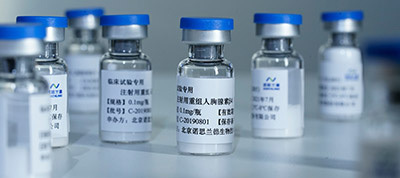 R&D and ProductsPrimarily dedicated to the research, development, and industrialization of novel bioengineered drugs in areas such as cardiovascular diseases, metabolic disorders, rare diseases, and ophthalmic diseases.
 -
 Investor RelationsGuided by the principle of “Creating Value, Serving Health,” the company is committed to becoming an innovative biopharmaceutical enterprise, contributing to the advancement of China’s pharmaceutical industry and the well-being of humanity.



Donaperminogene Seltoplasmid Injection Makes Its Debut at the Huimai Vascular Disease Forum—Innovative Therapy Offers New Approaches for Clinical Treatment of CLI

From December 12 to 13, 2025, the “Founding Conference of the Specialized Committee on Arteriovenous and Peripheral Vascular Diseases of the China Association for Geriatric Health Care, together with the Huimai Vascular Disease Forum,” was successfully held in Hefei, Anhui Province. The conference was organized by the China Association for Geriatric Health Care and co-organized by the Ninth People’s Hospital Affiliated to Shanghai Jiao Tong University School of Medicine and the Second Affiliated Hospital of Anhui Medical University. The event brought together top vascular disease experts from across China, focusing on cutting-edge developments in vascular diseases, jointly exploring China’s comprehensive system for the prevention and treatment of vascular diseases, and working together to build a robust defense for the vascular health of the elderly.
Currently, China’s population aged 60 and above has exceeded 280 million. As the aging process in China continues to accelerate, cardiovascular and cerebrovascular diseases, as well as arterial and peripheral vascular diseases, have become major public health issues that pose a serious threat to the health of older adults. Diseases such as arteriosclerosis obliterans and thromboembolism not only severely impact patients’ quality of life but also impose a heavy burden on families and society.

At the Huimai Vascular Disease Forum, Professor Qin Jinbao from the Department of Vascular Surgery at the Ninth People’s Hospital affiliated with Shanghai Jiao Tong University School of Medicine delivered a special report titled “New Advances in Gene Therapy for Severe Lower Limb Ischemic Disease.” In his presentation, Professor Qin shared the results of the Phase III clinical trial he had been involved in, which evaluated Donaperminogene Seltoplasmid Ingection—a novel gene therapy drug—for the treatment of ulcers caused by severe lower limb ischemic disease (CLI). He provided a comprehensive overview of Donaperminogene Seltoplasmid Ingection’s groundbreaking mechanism of action, as well as its core efficacy and safety data. His presentation offered a cutting-edge perspective on gene therapy in the field of vascular diseases and drew significant attention from the attending experts. In his report, Professor Qin pointed out that Donaperminogene Seltoplasmid Ingection holds promise as a new therapeutic option for patients who have “no surgical options,” providing fresh insights into overcoming the clinical challenge posed by CLI.

As the review results for Donaperminogene Seltoplasmid Ingection are about to be announced, the company is fully mobilizing resources to prepare for the subsequent clinical studies of the product. We will continue to collaborate closely with experts in fields such as vascular surgery to further explore the clinical translation and application of Cedomin in the treatment of severe lower-limb ischemia, thereby providing a new therapeutic option for patients who currently have no other viable choices and jointly advancing research and clinical practice in vascular diseases in China.
Share to:


Friendly Links: Baidu | NORTHLAND
Contact Information
Address: Room A406, Zhongguancun Biomedical Park, No. 5 Kaituo Road, Shangdi, Haidian District, Beijing
Follow Us
Northland is an innovative biopharmaceutical company specializing in the R&D, manufacturing and sales of gene therapy drugs, recombinant protein drugs and ophthalmic medications.

Web site

NL-BIO

NL003
NL005