
-
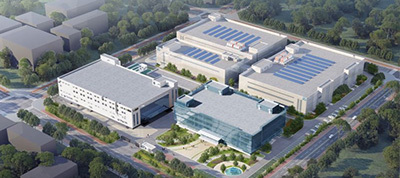 About UsBeijing Northland Biotechnology Co., Ltd. is an innovative biopharmaceutical company specializing in the research, development, production, and sales of gene therapy drugs, recombinant protein drugs, and ophthalmic drugs.
 -
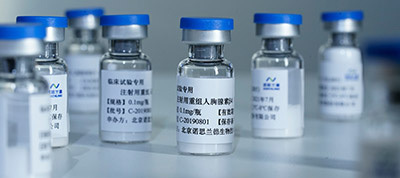 R&D and ProductsPrimarily dedicated to the research, development, and industrialization of novel bioengineered drugs in areas such as cardiovascular diseases, metabolic disorders, rare diseases, and ophthalmic diseases.
 -
 Investor RelationsGuided by the principle of “Creating Value, Serving Health,” the company is committed to becoming an innovative biopharmaceutical enterprise, contributing to the advancement of China’s pharmaceutical industry and the well-being of humanity.



The Phase III clinical trial results of Donaperminogene Seltoplasmid Injection—a gene therapy drug originally developed in China—were presented at LINC2026, a top international academic forum.

From January 27 to 30, 2026, the Leipzig Interventional Vascular Conference (LINC 2026)—renowned as the “global benchmark for vascular intervention therapy”—will be held in Leipzig, Germany. At the conference, Professor Di Xiao from the Department of Vascular Surgery at Peking Union Medical College Hospital, representing the research team, officially released the pivotal data from the Phase III clinical trial (HOPE CLTI-2 study) of “Donaperminogene Seltoplasmid Injection,” an innovative gene therapy drug independently developed by our company, for the treatment of chronic limb-threatening ischemia (CLTI) of the lower limbs. This marks the first time that a Chinese-originated gene therapy drug has presented large-scale clinical research findings on an internationally leading academic platform such as LINC. The research results of Donaperminogene Seltoplasmid Injection were selected as the keynote presentation at the conference, which not only reflects the high recognition from the international academic community of the clinical value of China’s domestically developed drug but also highlights that China’s R&D capabilities in gene therapy and vascular diseases are gradually attracting global attention—a microcosm of Chinese biopharmaceutical companies’ journey from following others and keeping pace to gradually taking the lead.
“Donaperminogene Seltoplasmid Injection” is an innovative drug based on gene therapy technology. It employs a “therapeutic angiogenesis” strategy and achieves sustained, high-efficiency expression of growth factors through local intramuscular injection, thereby promoting neovascularization and collateral circulation formation in ischemic tissues and facilitating vascular regeneration and repair in these tissues. It is indicated for the treatment of chronic limb-threatening ischemia (CLTI) of the lower limbs.


The Phase III clinical trial of this project was conducted at 23 large vascular surgery centers across China, employing a multicenter, randomized, double-blind, placebo-controlled design. A total of 242 ulcer patients were enrolled in the study. The results showed that Cedominji Injection demonstrated significant advantages in promoting ulcer healing, reducing the risk of major amputation, and improving amputation-free survival rates. Moreover, the drug exhibited a favorable safety profile, with no serious adverse events related to the medication reported. These findings provide CLTI patients with a novel treatment option beyond surgery and interventional therapies, offering new hope especially for those “no-option” patients who previously had limited effective treatment options. Currently, the drug is in the final stage of new drug registration review. The company is steadily advancing preparatory work for its market launch. The data presented at LINC 2026 not only marks an important milestone in the drug’s development journey but also provides the global vascular surgery community with fresh therapeutic insights and evidence-based support from China.
Share to:


Friendly Links: Baidu | NORTHLAND
Contact Information
Address: Room A406, Zhongguancun Biomedical Park, No. 5 Kaituo Road, Shangdi, Haidian District, Beijing
Follow Us
Northland is an innovative biopharmaceutical company specializing in the R&D, manufacturing and sales of gene therapy drugs, recombinant protein drugs and ophthalmic medications.

Web site

NL-BIO

NL003

NL005