
-
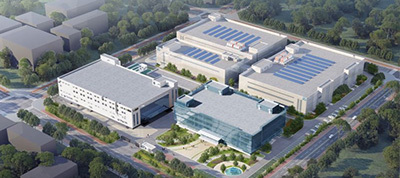 About UsBeijing Northland Biotechnology Co., Ltd. is an innovative biopharmaceutical company specializing in the research, development, production, and sales of gene therapy drugs, recombinant protein drugs, and ophthalmic drugs.
 -
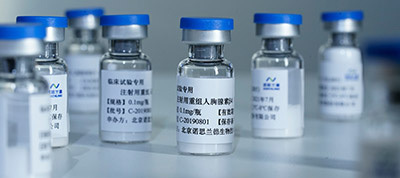 R&DPrimarily dedicated to the research, development, and industrialization of novel bioengineered drugs in areas such as cardiovascular diseases, metabolic disorders, rare diseases, and ophthalmic diseases.
 -
 Investor RelationsGuided by the principle of “Creating Value, Serving Health,” the company is committed to becoming an innovative biopharmaceutical enterprise, contributing to the advancement of China’s pharmaceutical industry and the well-being of humanity.



Recombinant Human Modified Interleukin-11 for Injection (NL002)
● Project Overview
Registration Category: Class 2 Therapeutic Biological Products
Indications: Thrombocytopenia induced by tumor chemotherapy.
R&D Progress: Phase III Clinical Study
Government Project: National Key Science and Technology Special Project for Major New Drug Creation under the 12th Five-Year Plan
Product features: This product is a second-generation recombinant interleukin-11. Its dosage is only 1/3 to 1/5 of that of similar products, and its adverse reactions are significantly lower than those of comparable products.
Market Prospects: China has approximately 6 million cancer patients, a number that is increasing year by year. As the number of patients with malignant tumors continues to rise, so too will the number of patients suffering from chemotherapy-induced thrombocytopenia. The market size for this drug is estimated at around 4 billion yuan. Once successfully developed, this product has a strong potential to replace the first-generation product and become a drug with independent intellectual property rights owned by China.
For detailed market forecasts, see https://mp.weixin.qq.com/s/8-gCbAJ5VQtFgBZmHn8zUw (Source: Yaodu Consulting)
● Mechanism of action
NL002 promotes megakaryocyte differentiation and maturation by directly stimulating the proliferation of hematopoietic stem cells and megakaryocytic progenitor cells, thereby enhancing the generation of polyploid megakaryocytes and increasing the platelet yield per single megakaryocyte, ultimately facilitating thrombopoiesis.
<
●Research findings
This product is a modified variant of natural human interleukin-11, featuring several innovative aspects in both its molecular structure and manufacturing process. Its clinically effective dose is only one-third to one-fifth of that of comparable products, and it exhibits significantly fewer adverse reactions with excellent patient tolerance—demonstrating clear advantages over naturally structured interleukin-11.
A highly efficient and stable production process has been established for this product, and comprehensive quality standards have been defined. The production cost is low, and the product meets the requirements for industrial-scale production.
Due to the low dosage of this product, it is feasible to develop it into a long-acting formulation. The dosing regimen could be changed from once-daily continuous administration for 7–10 days to once-weekly administration, significantly enhancing clinical convenience.
Previous page
Drug package insert
Friendly Links: Baidu | NORTHLAND
Contact Information
Address: Room A406, Zhongguancun Biomedical Park, No. 5 Kaituo Road, Shangdi, Haidian District, Beijing
Follow Us
Northland is an innovative biopharmaceutical company specializing in the R&D, manufacturing and sales of gene therapy drugs, recombinant protein drugs and ophthalmic medications.

Web site

NL-BIO

NL003

NL005