
-
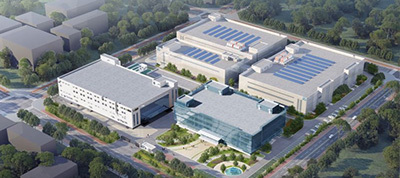 About UsBeijing Northland Biotechnology Co., Ltd. is an innovative biopharmaceutical company specializing in the research, development, production, and sales of gene therapy drugs, recombinant protein drugs, and ophthalmic drugs.
 -
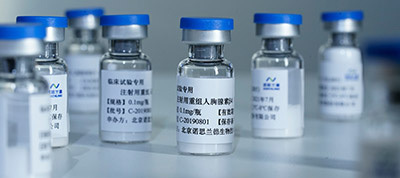 R&D and ProductsPrimarily dedicated to the research, development, and industrialization of novel bioengineered drugs in areas such as cardiovascular diseases, metabolic disorders, rare diseases, and ophthalmic diseases.
 -
 Investor RelationsGuided by the principle of “Creating Value, Serving Health,” the company is committed to becoming an innovative biopharmaceutical enterprise, contributing to the advancement of China’s pharmaceutical industry and the well-being of humanity.



Recombinant human interleukin-11 has completed Phase IIIa clinical trials and achieved the expected results.
The “Δ1-9, Alanine 10, Asparagine 134, Recombinant Human Interleukin-11” (hereinafter referred to as the drug), developed by Beijing Northland Biotechnology Co., Ltd., is a novel modified variant of natural human interleukin-11. It has undergone multiple innovative modifications in terms of molecular structure and production processes, and possesses independent intellectual property rights in China (invention patent: ZL01110081.8). Compared with similar products both domestically and internationally, its dosage is only one-third to one-fifth of that of comparable products, and it boasts distinct advantages such as clear efficacy and few adverse reactions. It holds promise to become a new-generation interleukin-11 drug for the treatment of thrombocytopenia.
The Phase III clinical trial of this drug is being conducted at 25 domestic hospitals (research centers), including Fudan University Affiliated Tumor Hospital. The trial employs a randomized, single-blind, self-controlled crossover design. The primary objectives of the trial are to evaluate the optimal dosage, efficacy, and safety of this drug for the prevention and treatment of chemotherapy-induced thrombocytopenia in cancer patients. The trial is divided into Phase IIIa and Phase IIIb. In Phase IIIa, the goal is to determine the optimal dosage of the investigational drug by comparing the efficacy and safety of two dose groups: 5 μg/kg and 7.5 μg/kg. A total of 62 subjects were enrolled in the Phase IIIa trial. During the trial, no unexpected serious adverse events related to the investigational drug occurred. The trial achieved its intended objectives and provided reliable evidence for determining the dosage to be used in Phase IIIb. The company is actively preparing for the Phase IIIb clinical trial.
Regarding recombinant human interleukin-11
Recombinant human interleukin-11 (rhIL-11) is a thrombopoietic agent that primarily promotes the proliferation of hematopoietic stem cells and megakaryocytic progenitor cells, induces megakaryocyte maturation, and enhances the generation of polyploid megakaryocytes, thereby increasing platelet production.
In 1997, the U.S. company Genetics Institute developed recombinant human interleukin-11 (rhIL-11) using recombinant DNA technology and employing Escherichia coli expression. This product was the first to receive approval from the U.S. Food and Drug Administration (FDA) for marketing. Its trade name is Neumega, while its active ingredient is known as Oprelvekin. Several domestic companies in China have also developed similar products, including Megel, Juhé Lì, and Jiju Fen. The interleukin-11 products currently available both domestically and internationally—represented by the U.S. product Neumega—are composed of 177 amino acids and lack one N-terminal proline residue compared to natural IL-11. These products belong to the first-generation class of naturally structured IL-11 analogs and have been clinically used for many years, becoming an effective treatment for thrombocytopenia.
Currently, although natural-structure IL-11 products demonstrate good therapeutic effects in treating chemotherapy-induced thrombocytopenia, they are associated with a relatively high incidence of adverse reactions in clinical practice, including edema, tachycardia, palpitations, atrial fibrillation/atrial flutter, oral candidiasis, dyspnea, pleural effusion, conjunctival hyperemia, and other side effects. Additionally, their high cost poses certain limitations to their clinical application.
Regarding △1-9, Alanine 10, Asparagine 134, Recombinant Human Interleukin-11
The recombinant human interleukin-11 developed by NORTHLAND is a novel engineered variant of natural interleukin-11. It lacks 9 amino acids at the N-terminus, and the 10th and 134th amino acids are mutated to Ala and Asn, respectively. The amino acid composition has been reduced from 178 to 169, the molecular weight has decreased from 19.0 to 18.2 kDa, and the isoelectric point has dropped from 11.815 to 11.665.
The results of the Phase II clinical trial showed that the efficacy of this product at 7.5 μg/kg was comparable to that of migalastat (the control drug) at 25 μg/kg in preventing and treating chemotherapy-induced thrombocytopenia, demonstrating non-inferiority. Moreover, the incidence of adverse reactions with this drug was significantly lower than that with the control drug (30.14% vs. 87.5%).
Related links:
https://mp.weixin.qq.com/sbiz=MzA5MjEzODQ3NA==&mid=2655761541&idx=3&sn=e76f00890a59fbdcc29f1f6cb08
e1a4d&chksm=8bceaa00bcb923164465fbfc0295638188e6dde88762ff63129fd8a2b4e589c33dcc5e5953a6&mpshare=1
Share to:


Friendly Links: Baidu | NORTHLAND
Contact Information
Address: Room A406, Zhongguancun Biomedical Park, No. 5 Kaituo Road, Shangdi, Haidian District, Beijing
Follow Us
Northland is an innovative biopharmaceutical company specializing in the R&D, manufacturing and sales of gene therapy drugs, recombinant protein drugs and ophthalmic medications.

Web site

NL-BIO

NL003
NL005