
-
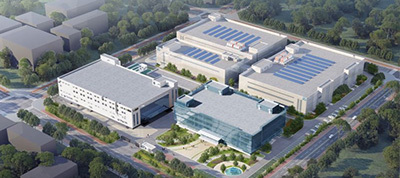 About UsBeijing Northland Biotechnology Co., Ltd. is an innovative biopharmaceutical company specializing in the research, development, production, and sales of gene therapy drugs, recombinant protein drugs, and ophthalmic drugs.
 -
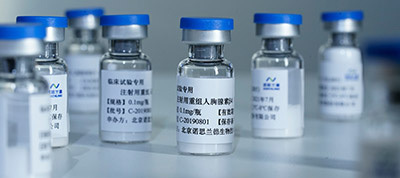 R&D and ProductsPrimarily dedicated to the research, development, and industrialization of novel bioengineered drugs in areas such as cardiovascular diseases, metabolic disorders, rare diseases, and ophthalmic diseases.
 -
 Investor RelationsGuided by the principle of “Creating Value, Serving Health,” the company is committed to becoming an innovative biopharmaceutical enterprise, contributing to the advancement of China’s pharmaceutical industry and the well-being of humanity.



The Phase II clinical trial results for the innovative gene therapy drug, recombinant human hepatocyte growth factor naked plasmid injection, in the treatment of lower limb ischemic disease have met expectations.
The recombinant human hepatocyte growth factor naked plasmid injection is a gene therapy drug independently developed by Beijing Northland Biotechnology Co., Ltd. It can be used for the treatment of indications such as peripheral arterial ischemic disease, coronary heart disease, and diabetic peripheral neuropathy. Currently, in China, the Phase II clinical study for the indication of severe lower-limb ischemic disease (CLI) has been completed, with positive trial data. The Phase III clinical trial is about to commence, and this drug is expected to become the first naked plasmid gene therapy product in China to enter the pivotal Phase III clinical research stage.
The Phase II clinical trial completed by NORTHLAND employed a multicenter, randomized, double-blind, placebo-controlled trial design. A total of 200 patients with severe lower-limb ischemic disease were enrolled at vascular surgery centers in nine sites across the country. The enrolled subjects were randomly assigned to high-, medium-, and low-dose groups as well as a placebo control group, and the observation period after administration lasted for six months. The efficacy evaluation results showed that, on Day 180 of the trial, the complete pain disappearance rates in the low-, medium-, and high-dose groups were significantly higher than those in the control group (p<0.05); among these, the high-dose group demonstrated the most pronounced effect. On Day 180 of the trial, the complete ulcer healing rate in the high-dose group (64.29%) was significantly higher than that in the control group (21.05%). Throughout the entire trial period, no serious adverse reactions related to the drug were observed.
The principal investigator of this clinical trial—Director Gu Yongquan from the Department of Vascular Surgery at Xuanwu Hospital, Capital Medical University—stated: “The results of the Phase II clinical trial for this product have met the expected outcomes and show promising prospects for the treatment of severe lower-limb ischemic disease. Patients demonstrated good tolerance to the drug, and we encourage the initiation of a large-scale Phase III clinical trial. Currently, there are no effective therapeutic drugs available in clinical practice for lower-limb ischemic disease; this gene therapy drug holds the potential to provide a new treatment option.”
Xu Songshan, Chairman of NORTHLAND, stated: “The Phase II clinical trial results for this product are positive and encouraging. As the developer of this product, we will strictly adhere to regulatory requirements, actively prepare for the Phase III clinical trials, accelerate the completion of all clinical trials, and soon bring a safe and effective innovative drug to clinical practice.”
In addition, NORTHLAND’s partner, South Korean company Viromed, has simultaneously initiated clinical trials in the U.S. for three indications: peripheral arterial disease (PAD), diabetic peripheral neuropathy (DPN), and amyotrophic lateral sclerosis (ALS). The first two indications have already entered Phase III clinical studies. Meanwhile, the indication for treating diabetic peripheral neuropathy (DPN) received the U.S. FDA’s Regenerative Medicine Advanced Therapy (RMAT) designation in May 2018, qualifying it for priority review. This could accelerate the drug’s market launch and potentially make it the world’s first commercially available naked plasmid gene therapy product.
Regarding Severe Lower Limb Ischemic Disease
Peripheral arterial disease (PAD) refers to arterial disorders affecting arteries other than the coronary arteries and intracranial arteries, including arterial stenosis, occlusion, and aneurysms. In China, PAD has become a common condition among middle-aged and elderly individuals. Severe lower-limb ischemia (CLI), which represents the advanced stage of PAD, is characterized primarily by resting pain, ulcers, and gangrene. If left untreated effectively, CLI can lead to an amputation rate as high as 40% and an annual mortality rate exceeding 20%. In China, the population at risk for this disease is substantial: over 316 million people smoke, approximately 114 million have diabetes, more than 270 million suffer from hypertension, and around 160 million have lipid abnormalities. Moreover, as China’s population continues to age, the number of people affected by this disease is on the rise. According to the latest report released in 2017 by a U.S. research institution, the estimated number of CLI patients in China ranges from 5.6 to 6.3 million.
Currently, the main clinical treatments for critical limb ischemia (CLI) include vascular bypass surgery, percutaneous transluminal balloon angioplasty, and stent angioplasty. However, these methods can only provide relief to a portion of patients whose distal vascular outflow is relatively well-preserved. Meanwhile, 20-30% of CLI patients—due to factors such as the absence of adequate inflow and/or outflow vessels, extensive and numerous arterial lesions, poor general health status, or lack of surgical suitability—cannot receive timely and effective treatment. As a result, they inevitably face the fate of amputation, and in some cases, their lives may even be endangered.
Regarding Recombinant Human Hepatocyte Growth Factor Naked Plasmid Injection.
The “Recombinant Human Hepatocyte Growth Factor Naked Plasmid Injection” developed by NORTHLAND is a naked plasmid DNA-based gene therapy drug constructed using a highly efficient pCK gene vector and a modified HGF gene. It is characterized by simultaneously expressing two naturally occurring HGF isoforms (HGF728 and HGF723) in the human body, and its effect on promoting neovascularization is significantly greater than that of a single isoform. When this drug is injected into the muscle tissue at the ischemic site, the plasmid is taken up by striated muscle cells, where it undergoes HGF expression and secretion. This specifically stimulates the proliferation of vascular endothelial cells and the migration of vascular smooth muscle cells at the ischemic site, thereby promoting angiogenesis and the establishment of collateral circulation. By restoring blood flow to the ischemic area, the drug helps relieve pain and heal ulcers in the affected limb. During the development process, this project has successively received support from national major new drug creation programs under the 11th Five-Year Plan and the 13th Five-Year Plan.
Share to:


Friendly Links: Baidu | NORTHLAND
Contact Information
Address: Room A406, Zhongguancun Biomedical Park, No. 5 Kaituo Road, Shangdi, Haidian District, Beijing
Follow Us
Northland is an innovative biopharmaceutical company specializing in the R&D, manufacturing and sales of gene therapy drugs, recombinant protein drugs and ophthalmic medications.

Web site

NL-BIO

NL003

NL005