
-
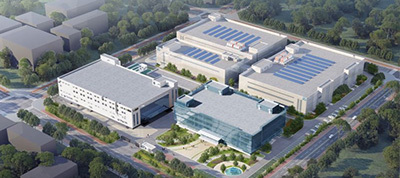 About UsBeijing Northland Biotechnology Co., Ltd. is an innovative biopharmaceutical company specializing in the research, development, production, and sales of gene therapy drugs, recombinant protein drugs, and ophthalmic drugs.
 -
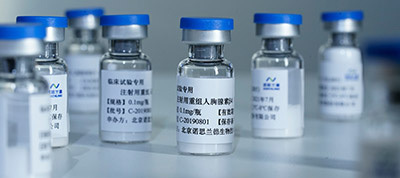 R&D and ProductsPrimarily dedicated to the research, development, and industrialization of novel bioengineered drugs in areas such as cardiovascular diseases, metabolic disorders, rare diseases, and ophthalmic diseases.
 -
 Investor RelationsGuided by the principle of “Creating Value, Serving Health,” the company is committed to becoming an innovative biopharmaceutical enterprise, contributing to the advancement of China’s pharmaceutical industry and the well-being of humanity.



The China Pharmaceutical News reports on the progress of the new drug registration for the NL003 project.
A new drug—recombinant human hepatocyte growth factor naked plasmid injection—for the treatment of diabetic lower-limb arterial occlusion, atherosclerotic occlusion of the lower limbs, and thrombo-obliterating endarteritis—has recently received approval from the National Medical Products Administration and has entered clinical trials.
This injection is a naked plasmid-based gene therapy drug engineered using a novel hepatocyte growth factor (HGF) and a highly efficient PCK vector. It uniquely leverages the principle of selective splicing of introns within the gene, enabling simultaneous expression of two HGF isoforms—HGF728 and HGF723—in target cells, which closely mimics the natural mechanism of action of the endogenous HGF gene. When injected into ischemic muscle tissue, the naked plasmid transfects striated muscle cells, prompting them to express and secrete HGF with angiogenic properties, thereby establishing a “molecular bridging” mechanism that promotes the formation of local collateral circulation and enhances blood supply to the ischemic area.
According to researchers from Beijing NORTHLAND Biotechnology Co., Ltd., this achievement, which boasts independent intellectual property rights, has obtained a national patent and has been approved for clinical trials in China, the United States, and South Korea. Preliminary research results indicate that this drug holds promising potential for the treatment of arterial ischemic diseases.
—– Excerpted from Page B1 of China Pharmaceutical News
Share to:


Friendly Links: Baidu | NORTHLAND
Contact Information
Address: Room A406, Zhongguancun Biomedical Park, No. 5 Kaituo Road, Shangdi, Haidian District, Beijing
Follow Us
Northland is an innovative biopharmaceutical company specializing in the R&D, manufacturing and sales of gene therapy drugs, recombinant protein drugs and ophthalmic medications.

Web site

NL-BIO

NL003
NL005