
-
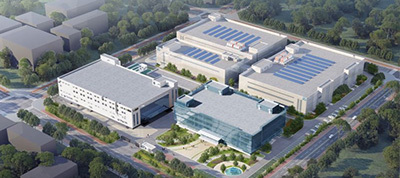 About UsBeijing Northland Biotechnology Co., Ltd. is an innovative biopharmaceutical company specializing in the research, development, production, and sales of gene therapy drugs, recombinant protein drugs, and ophthalmic drugs.
 -
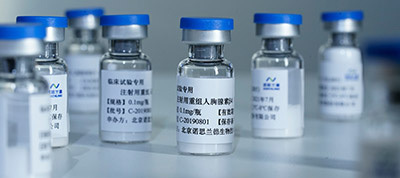 R&D and ProductsPrimarily dedicated to the research, development, and industrialization of novel bioengineered drugs in areas such as cardiovascular diseases, metabolic disorders, rare diseases, and ophthalmic diseases.
 -
 Investor RelationsGuided by the principle of “Creating Value, Serving Health,” the company is committed to becoming an innovative biopharmaceutical enterprise, contributing to the advancement of China’s pharmaceutical industry and the well-being of humanity.



Good News: The primary results of the Phase III clinical trial for the ulcer indication of NORTHLAND’s innovative gene therapy drug NL003 meet expectations.

Our company’s gene therapy drug under development, “Recombinant Human Hepatocyte Growth Factor Naked Plasmid Injection” (code-named NL003), has reached an important milestone in its first pivotal trial for the treatment of severe lower-limb ischemic disease (hereinafter referred to as the “Ulcer Trial”). The trial has now completed unblinding, and the primary endpoints have met expectations. Preliminary results indicate that, in terms of the complete ulcer healing rate—a key primary endpoint— the NL003 group significantly outperformed the placebo control group (p<0.0001). The drug demonstrated a favorable safety profile, with no serious adverse reactions related to the drug identified.
The “Ulcer Trial” is a randomized, double-blind, placebo-controlled, parallel-group study. The leading center of the trial is Peking Union Medical College Hospital, and the clinical research is being conducted at a total of 24 hospitals nationwide. The trial first enrolled its first randomized subject in August 2019 and completed enrollment of the last subject in June 2023, with a total of 242 subjects enrolled. All subject follow-up was completed by December 2023. As data cleaning, database lock, blinded review meetings, and unblinding procedures were carried out intensively and efficiently, the project’s CRO delivered the primary results to our company on February 1, 2024. Moving forward, we will conduct a comprehensive analysis of the trial data. The company will concentrate its resources and actively pursue the New Drug Application (NDA) submission process. Meanwhile, another pivotal trial of NL003, targeting ischemic rest pain as its indication, is progressing smoothly and is expected to release its results in the third quarter of this year.
Mr. Xu Songsan, Chairman of the company, stated: “This drug embodies the 20 years of dedication and hard work since the company’s establishment. The first pivotal trial has achieved the expected results, which is truly cause for celebration. Behind the figure ‘0.0001’ lies the unwavering commitment and wisdom of all our researchers—a testament to the joint efforts of all the institutions that participated in the clinical trials. The successful completion of the NL003 clinical trial is not only a tremendous boost for NORTHLAND but also instills greater confidence in the development of domestically produced innovative drugs. We would like to extend our heartfelt gratitude to our employees who have remained steadfast by our side throughout this journey, to all our partners who have made outstanding contributions to the clinical trials, and to all sectors of society that have long supported and shown care for the company’s development. Moving forward, while we continue to prepare for the NDA submission, we will also accelerate our preparations for industrialization and commercialization, striving to bring this drug to market as soon as possible and provide clinically accessible therapeutic options for patients suffering from severe lower-limb ischemic disease.”
Regarding NL003 and Lower Limb Ischemic Disease
NL003 is a Class 1 gene therapy drug—a therapeutic biological product independently developed by our company. It is a project supported by the national “Major New Drug Development” initiative and is intended for the treatment of severe lower-limb ischemic disease.
Lower limb ischemic disease is the most commonly encountered clinical manifestation of peripheral arterial disease (PAD). It results from arterial narrowing or occlusion in the lower limbs due to various causes, leading to insufficient blood flow and consequently causing ischemic symptoms such as intermittent claudication, pain, ulcers, or gangrene in the lower limbs. Based on the severity of ischemia, clinicians use the Rutherford classification system to grade lower limb ischemic disease from mild to severe, ranging from Grade 0 to Grade 6. Grades 4 through 6 are classified as critical limb ischemia (CLI).
CLI represents the most severe stage of lower-limb PAD progression. Clinically, it is primarily characterized by resting pain in the legs and feet, as well as ulcers and gangrene. As the disease advances, infections, ulcers, and gangrene tend to worsen progressively; in severe cases, amputation becomes necessary, imposing a tremendous burden on both patients and society. According to data from Frost & Sullivan, the number of PAD patients in China reached 51.872 million in 2021. With advancing age, the risk of developing peripheral arterial disease gradually increases. Influenced by factors such as China’s aging population, the prevalence of peripheral arterial disease is expected to continue rising in the future. By 2025, the number of affected individuals is projected to grow to 56.5626 million, among whom over 5 million will be CLI patients.
Currently, there is no effective curative treatment for CLI in China. The drugs currently used in clinical practice mainly aim to control disease risk factors and alleviate disease symptoms. At present, the primary treatment approach for CLI patients remains surgical or device-based interventions. However, since no other effective treatments are available, patients who opt for conservative management, those ineligible for surgery, or those whose surgeries have failed all face an elevated risk of amputation. According to published literature, the amputation rate among CLI patients ranges from 10% to 40%, and even five years after amputation, the mortality rate remains as high as 70%, placing a heavy burden on the nation, society, and families. Compared with traditional treatment methods, the NL003 project represents a non-invasive therapeutic approach for lower-limb ischemic diseases based on a novel gene therapy strategy. By locally injecting NL003 into the ischemic tissue, the plasmid is taken up by striated muscle cells, which then continuously express and secrete hepatocyte growth factor (HGF), a protein that promotes angiogenesis. This process stimulates the regeneration of new blood vessels, establishes collateral circulation at the ischemic site, and creates a "molecular bypass" mechanism, thereby enhancing blood flow to the ischemic area and achieving the goal of treating ischemic diseases. This project fills a domestic gap in gene therapy for such conditions. In the clinical trials already completed, NL003 has demonstrated promising clinical efficacy.
Share to:


Friendly Links: Baidu | NORTHLAND
Contact Information
Address: Room A406, Zhongguancun Biomedical Park, No. 5 Kaituo Road, Shangdi, Haidian District, Beijing
Follow Us
Northland is an innovative biopharmaceutical company specializing in the R&D, manufacturing and sales of gene therapy drugs, recombinant protein drugs and ophthalmic medications.

Web site

NL-BIO

NL003
NL005