
-
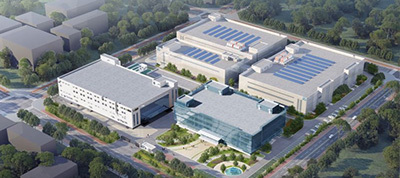 About UsBeijing Northland Biotechnology Co., Ltd. is an innovative biopharmaceutical company specializing in the research, development, production, and sales of gene therapy drugs, recombinant protein drugs, and ophthalmic drugs.
 -
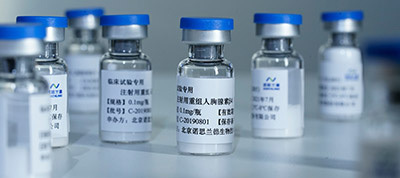 R&D and ProductsPrimarily dedicated to the research, development, and industrialization of novel bioengineered drugs in areas such as cardiovascular diseases, metabolic disorders, rare diseases, and ophthalmic diseases.
 -
 Investor RelationsGuided by the principle of “Creating Value, Serving Health,” the company is committed to becoming an innovative biopharmaceutical enterprise, contributing to the advancement of China’s pharmaceutical industry and the well-being of humanity.



NORTHLAND was invited to attend the Korea International Bio Forum and share the key results of the NL003 Phase III clinical trial.
From February 19 to 21, 2025, the “HANKYUNG BIO INSIGHT FORUM 2025,” hosted by The Korea Economic Daily, was held at the Lotte Hotel on Jeju Island, South Korea. Over 200 industry representatives from global pharmaceutical companies, new drug R&D institutions, clinical research organizations, medical institutions, and regulatory authorities attended the forum. Our company was invited to participate, and Vice President Han Seong-kwon delivered a keynote speech, unveiling pivotal Phase III clinical trial data for our core drug—recombinant human hepatocyte growth factor naked plasmid injection (code-named NL003; generic name: Donaperminogene Seltoplasmid Ingection)—in the treatment of severe lower-limb ischemic disease (CLI). The presentation drew intense attention from the attendees.

(Image reproduced from Korea Economic Daily)
There is an unmet clinical need for lower limb ischemic disease.
Peripheral arterial disease (PAD) is a common clinical condition typically caused by atherosclerotic occlusive disease (ASO), diabetic atherosclerotic occlusive disease (DAO), and thromboangiitis obliterans (TAO), which lead to narrowing or occlusion of the lower-limb arteries, resulting in insufficient blood perfusion and subsequently causing ischemic manifestations such as intermittent claudication, pain, ulcers, or gangrene in the lower limbs. Based on the degree of ischemia, clinicians use the Rutherford classification system to grade lower-limb ischemic diseases from mild to severe, ranging from Grade 0 to Grade 6. Grades 4 through 6 are classified as critical limb ischemia (CLI). The primary clinical symptoms of CLI include resting pain in the legs and feet, ulcers, and gangrene. As the disease progresses, infections, ulcers, and gangrene tend to worsen progressively; in severe cases, patients may face amputation or even death.
Epidemiological data indicate that PAD affects the physical and mental health of more than 200 million people worldwide. Among these, lower-limb PAD is the most common type of peripheral arterial disease. According to the 2022 China Cardiovascular Health and Disease Report, the prevalence of lower-limb PAD (peripheral arterial disease) in the general population aged 35 and older in China is 6.6%, corresponding to approximately 45.3 million cases. About 10% of lower-limb PAD patients will progress to critical limb ischemia (CLI). CLI is characterized by a high incidence, prolonged disease course, and high disability rate; its 5-year mortality rate exceeds 50%, significantly higher than that of most serious diseases such as cancer. With the socio-economic development and improved medical conditions in China, life expectancy has increased, the elderly population continues to grow, and the aging process is accelerating. Consequently, the number of PAD cases is expected to keep rising in the future. Currently, there are no effective therapeutic drugs available worldwide, and clinical treatment mainly relies on interventional procedures and surgical vascular bypass grafting. However, the treatment outcomes are unsatisfactory, leaving a significant unmet medical need.
The NL003 treatment strategy is innovative.
NL003 is an innovative gene therapy drug that uses a naked plasmid as its vector. By locally injecting NL003 into the ischemic site via intramuscular administration, the plasmid transfects striated muscle cells, enabling them to continuously express and secrete hepatocyte growth factor (HGF), a protein with angiogenic properties. This promotes the regeneration of new blood vessels, establishes collateral circulation at the ischemic site, and creates a “molecular bypass” mechanism, thereby increasing blood flow to the ischemic area and achieving therapeutic effects for the disease.
Compared with existing treatment methods, NL003 can address distal ischemia caused by vascular occlusion through therapeutic angiogenesis, thereby achieving the desired therapeutic effect. This treatment strategy is innovative and offers significant advantages in terms of trauma, ease of operation, patient compliance, efficacy, and durability, potentially bringing sustained clinical benefits to patients.
The results of the NL003 Phase III clinical trial met expectations.
The Phase III clinical trial for NL003 is primarily focused on CLI and is being conducted separately for two indications: ulcers (Rutherford Class 5) and rest pain (Rutherford Class 4). The trial employs a randomized, double-blind, placebo-controlled, parallel-group study design. Peking Union Medical College Hospital’s Department of Vascular Surgery serves as the leading center, and the clinical study is being carried out at a total of 24 hospitals nationwide. Specifically, 242 patients have been enrolled in the ulcer indication group, and 302 patients have been enrolled in the rest pain trial group.
The ulcer trial was unblinded in February 2024. Compared to placebo, the primary endpoint—180-day complete ulcer healing rate—was 43.5% versus 18.5%, a difference that is statistically significant (P < 0.0001). Moreover, the primary endpoint was achieved across various subgroups of patients with different conditions, including arteriosclerotic occlusive disease, thrombo-obliterative vasculitis, and diabetic lower-limb ischemia. This marks the first time that the efficacy of such a drug has been conclusively demonstrated through a large-scale Phase III trial in a global study of similar compounds.
The primary endpoint of resting pain was unblinded in August 2024. Compared to placebo, the 180-day rate of complete pain relief was 44.1% in the NL003 group versus 18% in the placebo group, demonstrating a statistically significant superiority of the NL003 group over the placebo control (p < 0.0001). The drug exhibited a favorable safety profile, with no serious adverse reactions related to the medication identified.
Adopt multiple measures to prepare for the commercialization process.
NL003 is our company’s first naked plasmid gene therapy product to have submitted an NDA application, and it holds the potential to become China’s first approved naked plasmid gene therapy drug. Currently, NL003 is undergoing new drug review. According to the latest progress posted on the website of the Center for Drug Evaluation, the technical reviews covering pharmacology and toxicology, clinical studies, pharmaceutical studies, clinical pharmacology, and compliance have all been completed. NL003 is expected to receive approval within 2025. Previously, our company teamed up with the internationally renowned pharmaceutical consulting firm IQVIA to actively prepare for the commercialization of NL003. In October 2024, we established a Shanghai branch and assembled a marketing team to carry out extensive market research and develop sales strategies and policies. At the same time, we are accelerating the planning of long-term follow-up studies for NL003’s Phase III clinical trials as well as real-world studies, and further expanding its indications. While advancing R&D efforts, we are also speeding up the construction of our bioengineering pharmaceutical plant. The three main buildings—the comprehensive office building, the production workshop, and the intelligent warehouse—have now reached full roof completion. Equipment procurement for the production workshop and the construction of the smart园区 are actively underway, and we expect to complete the construction of the production lines this year, thereby establishing the capacity for bulk drug substance production. During the construction of our in-house production facility, we have adopted a contract manufacturing approach to ensure that the approval and production of the new drug proceed in parallel. We look forward to NL003 receiving approval and being launched onto the market soon, providing a new treatment option for patients suffering from lower-limb ischemic diseases.
Share to:


Friendly Links: Baidu | NORTHLAND
Contact Information
Address: Room A406, Zhongguancun Biomedical Park, No. 5 Kaituo Road, Shangdi, Haidian District, Beijing
Follow Us
Northland is an innovative biopharmaceutical company specializing in the R&D, manufacturing and sales of gene therapy drugs, recombinant protein drugs and ophthalmic medications.

Web site

NL-BIO

NL003
NL005