
-
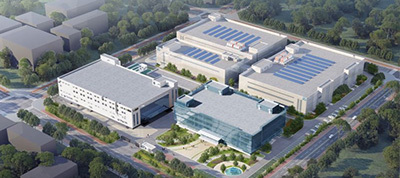 About UsBeijing Northland Biotechnology Co., Ltd. is an innovative biopharmaceutical company specializing in the research, development, production, and sales of gene therapy drugs, recombinant protein drugs, and ophthalmic drugs.
 -
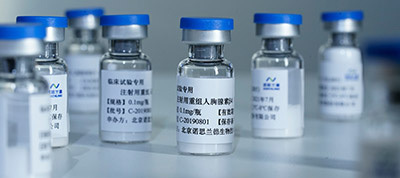 R&D and ProductsPrimarily dedicated to the research, development, and industrialization of novel bioengineered drugs in areas such as cardiovascular diseases, metabolic disorders, rare diseases, and ophthalmic diseases.
 -
 Investor RelationsGuided by the principle of “Creating Value, Serving Health,” the company is committed to becoming an innovative biopharmaceutical enterprise, contributing to the advancement of China’s pharmaceutical industry and the well-being of humanity.



A study on the mechanism of action and optimal injection site selection for recombinant human hepatocyte growth factor naked plasmid therapy in chronic ischemic diseases has been published in an internationally renowned journal.
 Recently, the study titled "Mechanism of Action and Injection Site Selection for Treatment of Chronic Ischemic Diseases with Recombinant Human Hepatocyte Growth Factor Naked Plasmid" was published in the internationally renowned journal Tissue and Cell (JCR Q1, IF=2.7). This study is a collaborative project between Beijing Northland Biotechnology Co., Ltd. and the Vascular Surgery Team at Peking Union Medical College Hospital, aiming to elucidate the molecular mechanisms underlying the treatment of chronic ischemic diseases by recombinant human hepatocyte growth factor naked plasmid (NL003) and to preliminarily explore optimized clinical injection site strategies.
This study, using human aortic endothelial cells (HAEC) cultured in vitro, systematically compared for the first time two isoforms of hepatocyte growth factor (HGF)—HGF. 728 With HGF 723 and the functional differences of their combined effects under normoxic/hypoxic conditions. The experiment showed that, under both normoxic and hypoxic conditions, HGF 728 And HGF 723 All significantly enhanced the proliferation, migration, and tubule formation capabilities of HAECs (P<0.0001), and HGF 728 And HGF 723 Combined administration of the two isomers promotes cell proliferation and migration more effectively than administering either isomer alone, and this synergistic effect is particularly pronounced under hypoxic conditions (P<0.0001). Mechanistic studies indicate that HGF exerts its pro-angiogenic effects by simultaneously activating the PI3K/Akt and MAPK/ERK signaling pathways, thereby regulating the expression of hypoxia-inducible factors HIF-1α and HIF-2α.
In in vivo experiments, the research team used both normal rats and a rat model of hindlimb ischemia to compare the differences in NL003’s ability to promote angiogenesis in normal versus ischemic tissues, thereby revealing NL003’s targeted therapeutic properties. The experiments showed that injection of NL003 into the ischemic site enhanced tissue perfusion and improved limb function recovery. Moreover, treatment with the naked plasmid significantly increased the number of newly formed capillaries and arterioles in the ischemic limbs, whereas injection of NL003 into normal tissues had no significant effect on angiogenesis or tissue perfusion.
NL003 is NORTHLAND’s first gene therapy drug independently developed by the company, indicated for chronic lower-limb ischemic disease. It was submitted for NDA in July 2024 and has now completed all technical review procedures. The research paper published this time provides a theoretical basis for the molecular mechanisms underlying HGF naked plasmid treatment of chronic lower-limb ischemic disease, further confirming that HGF naked plasmids can be used for therapeutic angiogenesis in ischemic tissues. The study also suggests optimizing injection sites in clinical applications to enhance therapeutic efficacy.
CGT is currently a hot area of research for pharmaceutical companies and an important component of regenerative medicine. Unlike traditional treatment approaches, regenerative medicine aims to achieve structural repair and functional restoration through biological means, ushering in a genetic revolution. As a brand-new naked plasmid gene therapy drug, NL003’s approval and launch will provide patients with lower-limb ischemic disease a new treatment option—beyond conventional medications and surgical interventions—thus enabling a shift from “symptomatic treatment” to “causal treatment.”
Original link: https://authors.elsevier.com/c/1kpau_xPM2nqt
Share to:


Friendly Links: Baidu | NORTHLAND
Contact Information
Address: Room A406, Zhongguancun Biomedical Park, No. 5 Kaituo Road, Shangdi, Haidian District, Beijing
Follow Us
Northland is an innovative biopharmaceutical company specializing in the R&D, manufacturing and sales of gene therapy drugs, recombinant protein drugs and ophthalmic medications.

Web site

NL-BIO

NL003
NL005