
-
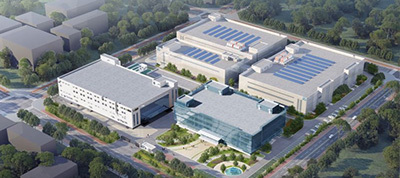 About UsBeijing Northland Biotechnology Co., Ltd. is an innovative biopharmaceutical company specializing in the research, development, production, and sales of gene therapy drugs, recombinant protein drugs, and ophthalmic drugs.
 -
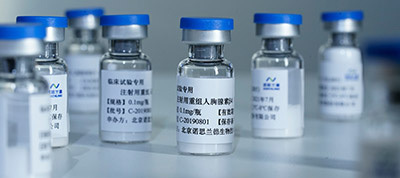 R&D and ProductsPrimarily dedicated to the research, development, and industrialization of novel bioengineered drugs in areas such as cardiovascular diseases, metabolic disorders, rare diseases, and ophthalmic diseases.
 -
 Investor RelationsGuided by the principle of “Creating Value, Serving Health,” the company is committed to becoming an innovative biopharmaceutical enterprise, contributing to the advancement of China’s pharmaceutical industry and the well-being of humanity.



Researchers from the Phase III clinical trial of Donaperminogene Seltoplasmid Ingection presented their findings on "Recombinant Hepatocyte Growth Factor for the Treatment of Severe Lower Limb Ischemia" at the Peking Union Medical College Vascular Medicine Conference.
 From May 8 to 10, 2025, the Concord Vascular Medicine Conference and the 23rd China Vascular and Endovascular Conference (VEC) were grandly held at the Beijing Hotel International Convention & Exhibition Center. At the conference, Associate Chief Physician Di Xiao from the Department of Vascular Surgery at Peking Union Medical College Hospital presented a review on recent advances in the diagnosis and treatment of this field, titled “Recombinant Hepatocyte Growth Factor Therapy for Severe Lower Limb Ischemia,” drawing on major global literature reports as well as the results of the HOPE CLTI study conducted in China.
Currently, the global number of patients suffering from lower-limb ischemia exceeds 236 million. The incidence rate in low- and middle-income countries is significantly higher than in high-income countries. In China alone, the number of affected patients surpasses 40 million, and this figure is set to continue rising as the population ages. Treatment for this condition primarily relies on vascular reconstruction procedures such as percutaneous intervention or surgical bypass grafting. However, due to factors including the absence of suitable outflow vessels, extensive vascular calcification, and overly complex comorbidities, many patients remain ineligible for effective treatment, placing them at risk of amputation or even death.
At the conference, Associate Chief Physician Di Xiao introduced that the therapeutic strategy of promoting vascular regeneration through gene therapy has a long history of exploration in this field. As early as the 1990s, researchers from multiple countries initiated numerous clinical studies. However, studies targeting factors such as vascular endothelial growth factor (VEGF) and fibroblast growth factor (FGF) all ended in failure. Over the past decade, research has primarily focused on hepatocyte growth factor (HGF). Just this April, successful results from a Phase III clinical trial were released. After nearly three decades of dedicated effort, the first gene therapy drug for treating lower-limb ischemia is poised to become a reality.
A meta-analysis of seven randomized, double-blind studies involving a total of 655 subjects and focusing on the early three HGF naked-plasmid drugs (excluding the HOPE CLTI study) revealed that, compared to the control group, the drug demonstrated significant differences in terms of ulcer healing rates and pain relief among patients with severe lower-limb ischemia. However, within the limited observation period, no significant differences were observed in amputation rates or all-cause mortality. This meta-analysis did not include Phase III trials, resulting in a lower level of evidence.
In the recently published HOPE CLTI-2 study—the Phase III trial evaluating Donaperminogene Seltoplasmid Ingection for the treatment of ischemic ulcers— a total of 242 subjects were enrolled. Among these patients, approximately 90% were ineligible for vascular reconstruction surgery due to reasons such as the absence of suitable outflow vessels, poor outcomes from previous surgical interventions, severe comorbidities, or a combination of multiple factors. Regarding the primary endpoint—the rate of complete ulcer healing—Donaperminogene Seltoplasmid Ingection significantly outperformed the placebo group, with rates of 43.5% and 18.5%, respectively (P<0.0001). Moreover, in analyses of several subgroups, the ulcer-healing rates were consistently significantly higher in the Donaperminogene Seltoplasmid Ingection group compared to the placebo group. Additionally, the 180-day freedom-from-amputation survival rate was also significantly superior in the Donaperminogene Seltoplasmid Ingection group (P=0.0024). These Phase III trial results are encouraging, demonstrating that Donaperminogene Seltoplasmid Ingection can effectively promote the healing of ischemic ulcers, and this healing effect is not influenced by the presence of diabetes, wound infection, location of arterial disease, ankle-brachial index (ABI), or age. However, the study does have certain limitations; further long-term follow-up is needed to evaluate its efficacy and safety in larger ulcers as well as in the longer term.
In the concluding section, Associate Chief Physician Di Xiao noted that although the available research data are limited, attempts have been made to compare HGF gene therapy with other treatments. For instance, in a single-arm study on venoarterialization, the ulcer healing rate at six months was only 25%, the rate of major amputations was 24%, and the mortality rate reached 12.9%. Moreover, several systematic reviews on stem cell therapies also showed that both ulcer-healing benefits and limb-salvage survival benefits were inferior to those reported in the HOPE CLTI study. However, these comparative studies had certain baseline differences, and most lacked randomized, double-blind controls, resulting in lower levels of evidence. Therefore, it is important to view these findings objectively. In summary, after years of dedicated research, HGF gene therapy holds promise as a novel therapeutic approach for lower-limb ischemia.
Share to:


Friendly Links: Baidu | NORTHLAND
Contact Information
Address: Room A406, Zhongguancun Biomedical Park, No. 5 Kaituo Road, Shangdi, Haidian District, Beijing
Follow Us
Northland is an innovative biopharmaceutical company specializing in the R&D, manufacturing and sales of gene therapy drugs, recombinant protein drugs and ophthalmic medications.

Web site

NL-BIO

NL003
NL005