
-
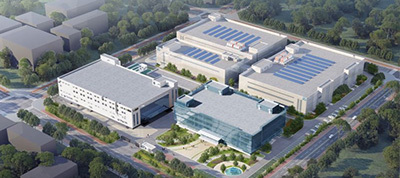 About UsBeijing Northland Biotechnology Co., Ltd. is an innovative biopharmaceutical company specializing in the research, development, production, and sales of gene therapy drugs, recombinant protein drugs, and ophthalmic drugs.
 -
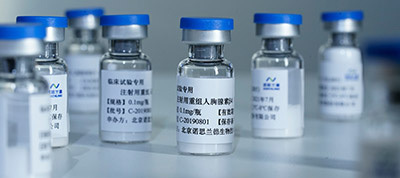 R&D and ProductsPrimarily dedicated to the research, development, and industrialization of novel bioengineered drugs in areas such as cardiovascular diseases, metabolic disorders, rare diseases, and ophthalmic diseases.
 -
 Investor RelationsGuided by the principle of “Creating Value, Serving Health,” the company is committed to becoming an innovative biopharmaceutical enterprise, contributing to the advancement of China’s pharmaceutical industry and the well-being of humanity.



Research findings on NORTHLAND's independently developed recombinant human thymosin β4 (rhTB4) have been published in a top international journal, revealing a novel cardioprotective mechanism and clinical potential.
Recently, the top international cardiovascular journal Cardiovascular Research published online a groundbreaking research paper led by Professor Dou Kefei’s team from Fuwai Hospital, Chinese Academy of Medical Sciences. The paper, titled “Recombinant human thymosin beta 4 improves ischemic cardiac dysfunction in mice and patients with acute ST-segment elevation myocardial infarction after reperfusion,” focuses on NORTHLAND Biotechnology Co., Ltd. (hereinafter referred to as “NORTHLAND”), a core product currently under development—recombinant human thymosin β4 (rhTB4)—for the treatment of acute myocardial infarction. The paper has an impact factor of 13.3. For the first time, this study systematically elucidates the molecular mechanism by which rhTB4 exerts a significant cardioprotective effect in myocardial ischemia-reperfusion injury through activation of the ErbB2/Raf1 signaling pathway, and also validates its clinical application potential in a randomized, double-blind clinical trial. This milestone underscores the high regard that the scientific community internationally now places on rhTB4 as an innovative therapeutic approach for cardiac repair following myocardial infarction, highlighting both its scientific value and promising clinical translation prospects. Cardiovascular Research is the flagship basic and translational research journal under the European Society of Cardiology (ESC) and enjoys an exceptionally high reputation in the field of cardiovascular medicine.

Ischemic heart disease, especially acute ST-segment elevation myocardial infarction (STEMI), is the leading cause of heart failure and cardiovascular death worldwide. Although percutaneous coronary intervention (PCI) can rapidly recanalize occluded vessels, the ensuing ischemia-reperfusion injury and adverse ventricular remodeling remain critical challenges that significantly impact patients' long-term prognosis. Therefore, the development of novel drugs capable of effectively counteracting post-reperfusion injury and promoting cardiac repair represents a major unmet clinical need. Thymosin β4 is an endogenous protein with multiple biological activities that closely aligns with various pathogenic mechanisms underlying myocardial infarction, thereby demonstrating its therapeutic potential. Relying on advanced biopharmaceutical technologies, NORTHLAND has successfully developed recombinant human thymosin β4 (rhTB4) and has completed a comprehensive preclinical safety evaluation, paving the way for its entry into the clinical development phase.
This study represents a systematic translational research effort that integrates basic mechanistic exploration, preclinical validation, and clinical efficacy evaluation. It assessed the cardioprotective effects of recombinant human thymosin β4 (rhTB4) in ischemia-reperfusion (I/R)-induced cardiac injury. The results indicate that the core mechanism underlying rhTB4’s cardioprotective action lies in the reactivation of the ErbB2 receptor—also known as HER2—which is suppressed during myocardial ischemia-reperfusion injury, as well as its downstream Raf1/ERK signaling pathway. Activation of this pathway effectively inhibits the apoptotic program in cardiomyocytes. Importantly, when a specific inhibitor was used to block ErbB2, all of rhTB4’s cardioprotective effects were completely abolished, thereby confirming that this signaling pathway is an indispensable and critical mechanism through which rhTB4 exerts its therapeutic effects.
In a phase IIb, multicenter, randomized, double-blind, placebo-controlled study, the research team found that administering rhTB4 within 8 hours after PCI significantly reduced infarct size at 90 days and improved both left ventricular end-diastolic volume and end-systolic volume. These findings further demonstrate the clinical translational potential of early administration of rhTB4 and offer a new therapeutic strategy for post-myocardial infarction care.
Based on the results of previous research, the company has organized clinical experts to optimize the clinical trial protocol for acute myocardial infarction and has completed communication with CDE experts. The company has now finished preparatory work for the Phase IIc clinical trial and will officially launch the clinical trial in the near future. The company will continue to provide full support for the subsequent clinical research and development of this project, and looks forward to bringing this innovative drug to patients at an early date, thereby contributing to the improvement of cardiovascular disease prevention and treatment capabilities in China.
Original link:
https://academic.oup.com/cardiovascres/advance-article/doi/10.1093/cvr/cvaf223/8322149
Share to:


Friendly Links: Baidu | NORTHLAND
Contact Information
Address: Room A406, Zhongguancun Biomedical Park, No. 5 Kaituo Road, Shangdi, Haidian District, Beijing
Follow Us
Northland is an innovative biopharmaceutical company specializing in the R&D, manufacturing and sales of gene therapy drugs, recombinant protein drugs and ophthalmic medications.

Web site

NL-BIO

NL003
NL005