
-
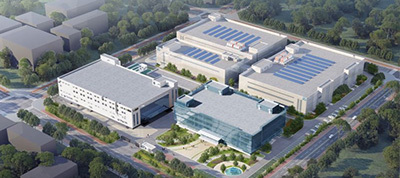 About UsBeijing Northland Biotechnology Co., Ltd. is an innovative biopharmaceutical company specializing in the research, development, production, and sales of gene therapy drugs, recombinant protein drugs, and ophthalmic drugs.
 -
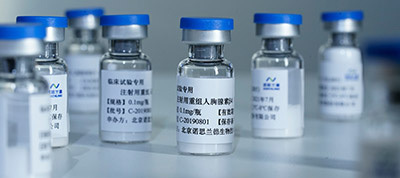 R&D and ProductsPrimarily dedicated to the research, development, and industrialization of novel bioengineered drugs in areas such as cardiovascular diseases, metabolic disorders, rare diseases, and ophthalmic diseases.
 -
 Investor RelationsGuided by the principle of “Creating Value, Serving Health,” the company is committed to becoming an innovative biopharmaceutical enterprise, contributing to the advancement of China’s pharmaceutical industry and the well-being of humanity.



The “Clinical Study of Donaperminogene Seltoplasmid Ingection CLTI” was brilliantly presented at the 13th North China Vascular Conference.

From September 19 to 20, 2025, the 13th China North China Vascular Conference was successfully held in Beijing. Co-organized by the Vascular Surgery Branch of the China-Japan Medical and Technological Exchange Association, the Vascular Surgery Branch of the Beijing Medical Association, and others, and hosted by Beijing Anzhen Hospital affiliated with Capital Medical University and the First Medical Center of the Chinese People's Liberation Army General Hospital, the conference brought together renowned experts and scholars from across the country to engage in extensive and in-depth discussions on hot and challenging issues in vascular surgery. It comprehensively showcased the achievements made in the field of vascular surgery not only in the North China region but also nationwide, making it a major academic event in the field of vascular surgery. Our company made its debut at the conference with our investigational gene therapy drug—Donaperminogene Seltoplasmid Ingection—drawing numerous experts and scholars to our booth to learn about its mechanism of action. The special session titled “Revitalizing Life—Gene Therapy for Severe Lower Limb Ischemia” was held concurrently in the sixth sub-venue and became one of the highlights of the conference.

At the outset of the conference, Professor Wu Xuejun from the Provincial Hospital Affiliated to Shandong First Medical University and Professor Guo Lianrui from Xuanwu Hospital of Capital Medical University delivered opening remarks. Professor Guo Lianrui noted that leveraging the conference’s influence to share the latest research findings would enable more vascular surgeons to stay abreast of developments in gene therapy research and thus drive medical progress in the field of vascular surgery. Drawing on his extensive clinical experience, Professor Wu Xuejun emphasized that the clinical study of Donaperminogene Seltoplasmid Ingection holds significant potential for improving the prognosis of patients with lower-limb ischemia. He also highlighted that the platform provided by the North China Vascular Conference would facilitate better integration and collaborative development between this field and other branches of vascular disease treatment.  During the session on sharing academic achievements, Professor Tong Zhu from Xuanwu Hospital of Capital Medical University delivered a special lecture titled “Application of Gene Therapy in Lower Limb Ischemic Diseases: From Mechanism Exploration to Clinical Practice.” Drawing on years of research experience in the field of gene therapy, Professor Zhu provided a clear and concise introduction to the mechanisms underlying gene therapy for lower limb ischemic diseases, as well as the laboratory findings and clinical translation process. His presentation offered a cutting-edge perspective on gene therapy in the field of vascular diseases, enabling attendees to gain a clear understanding of both the scientific validity and feasibility of this therapeutic approach. Following Professor Zhu’s talk, Professor Ni Leng from Peking Union Medical College Hospital shared the latest clinical research progress on Donaperminogene Seltoplasmid Ingection. She focused on the clinical translational value of this drug in the treatment of critical limb ischemia (CLTI), elaborating on Donaperminogene Seltoplasmid Ingection’s novel mechanism of action, the efficacy and safety observed in clinical trials, and its advantageous features such as ease of administration.

During the expert interactive session, Professors Yang Liu from Chifeng City Hospital, Zhao Hui from Beijing Luhe Hospital affiliated with Capital Medical University, Guo Jianming from Xuanwu Hospital affiliated with Capital Medical University, Zhao Guozhen from the First Hospital of Qinhuangdao City, An Qian from the Fifth Affiliated Hospital of Zhengzhou University, and Wang Peng from Beijing Anzhen Hospital affiliated with Capital Medical University gathered together. From the perspective of clinical benefits for patients, they engaged in a lively discussion on topics such as the selection of appropriate patient populations for Donaperminogene Seltoplasmid Ingection and optimization of injection sites. Drawing on their clinical experience, the experts put forward valuable suggestions, including optimizing clinical trial designs and expanding the drug’s scope of application. The exchange of ideas sparked innovative insights and pointed the way forward for the drug’s subsequent clinical use.

Professor Wu Xuejun concluded the special session by noting: “In vascular surgery, there used to be an industry saying—‘The three cuts that amputated a leg’: ‘The first cut was for bypass surgery, the second for thrombectomy, and the third for amputation.’ Currently, in clinical practice, some patients still lack effective treatment options due to issues such as poor distal outflow. The gene therapy drug—Donaperminogene Seltoplasmid Ingection—developed by NORTHLAND has brought a new therapeutic approach to those patients who have ‘no option.’ This gene therapy research holds significant importance in the field of severe lower-limb ischemia. Let’s all look forward to Donaperminogene Seltoplasmid Ingection being approved soon, benefiting clinical practice and bringing new hope to patients with lower-limb ischemia.”
The successful holding of the special session “Revitalizing Life—Gene Therapy for Severe Lower Limb Ischemia” at the 13th North China Vascular Conference underscores the industry’s high level of attention and anticipation toward gene therapy for lower limb ischemic diseases. Moving forward, NORTHLAND will continue to adopt an open and collaborative approach, working closely with clinical experts, research institutions, and industry partners to accelerate the clinical translation of Donaperminogene Seltoplasmid Ingection, thereby contributing even more to the development of vascular medicine and the gene therapy industry in China.
Share to:


Friendly Links: Baidu | NORTHLAND
Contact Information
Address: Room A406, Zhongguancun Biomedical Park, No. 5 Kaituo Road, Shangdi, Haidian District, Beijing
Follow Us
Northland is an innovative biopharmaceutical company specializing in the R&D, manufacturing and sales of gene therapy drugs, recombinant protein drugs and ophthalmic medications.

Web site

NL-BIO

NL003
NL005