
-
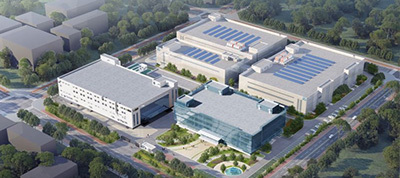 About UsBeijing Northland Biotechnology Co., Ltd. is an innovative biopharmaceutical company specializing in the research, development, production, and sales of gene therapy drugs, recombinant protein drugs, and ophthalmic drugs.
 -
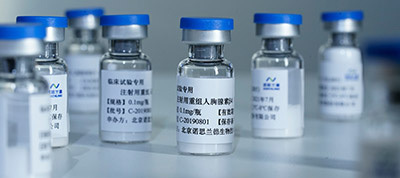 R&D and ProductsPrimarily dedicated to the research, development, and industrialization of novel bioengineered drugs in areas such as cardiovascular diseases, metabolic disorders, rare diseases, and ophthalmic diseases.
 -
 Investor RelationsGuided by the principle of “Creating Value, Serving Health,” the company is committed to becoming an innovative biopharmaceutical enterprise, contributing to the advancement of China’s pharmaceutical industry and the well-being of humanity.



The PCT international patent application for the recombinant human hepatocyte growth factor naked plasmid injection has received notices of acceptance at the national phase in the United States, Europe, and Japan.

Recently, the PCT international patent application for the company’s recombinant human hepatocyte growth factor naked plasmid injection project (project code NL003)—titled “Human Hepatocyte Growth Factor Mutant and Uses Thereof”—has received notifications of acceptance at the national stages in the United States, Europe, and Japan.
“A human hepatocyte growth factor mutant and its applications (Patent No.: ZL201910010091.X)” has been granted an invention patent in China. This patent primarily covers a mutant of human hepatocyte growth factor, as well as the corresponding nucleic acid molecules, vectors, and cells. It provides enhanced and broader protection for the recombinant human hepatocyte growth factor naked plasmid injection project and will facilitate the further refinement and development of the company’s naked plasmid gene therapy platform.
PCT is the English abbreviation for the Patent Cooperation Treaty. Patent Cooperation Treaty It follows the protection of industrial property. Paris Convention The subsequent most important international treaty in the field of patents represents another milestone in the history of the development of the international patent system. Under the PCT route, applicants can simultaneously seek protection for their invention patents in more than 150 member countries worldwide, enjoying advantages such as simplified application procedures, reduced application costs, access to search and examination reports, and a longer period for claiming priority rights.
By conducting a comprehensive assessment of project implementation and the content of patented technologies, and in conjunction with an intellectual property protection strategy, the company has filed an international patent application for the NL003 project via the PCT route. This approach fully leverages the effectiveness and cost-efficiency of the PCT route for international patent applications, serving as a concrete demonstration of the company’s ongoing efforts to deepen intellectual property protection, safeguard its independently developed capabilities, and enhance its technological innovation prowess. It will help the company further refine its intellectual property protection system, capitalize on its proprietary IP advantages, and strengthen its core competitiveness.
Share to:


Friendly Links: Baidu | NORTHLAND
Contact Information
Address: Room A406, Zhongguancun Biomedical Park, No. 5 Kaituo Road, Shangdi, Haidian District, Beijing
Follow Us
Northland is an innovative biopharmaceutical company specializing in the R&D, manufacturing and sales of gene therapy drugs, recombinant protein drugs and ophthalmic medications.

Web site

NL-BIO

NL003
NL005