
-
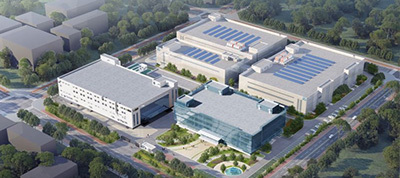 About UsBeijing Northland Biotechnology Co., Ltd. is an innovative biopharmaceutical company specializing in the research, development, production, and sales of gene therapy drugs, recombinant protein drugs, and ophthalmic drugs.
 -
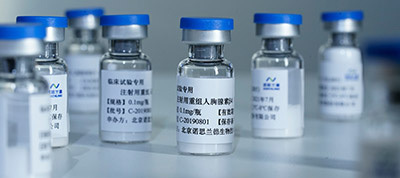 R&D and ProductsPrimarily dedicated to the research, development, and industrialization of novel bioengineered drugs in areas such as cardiovascular diseases, metabolic disorders, rare diseases, and ophthalmic diseases.
 -
 Investor RelationsGuided by the principle of “Creating Value, Serving Health,” the company is committed to becoming an innovative biopharmaceutical enterprise, contributing to the advancement of China’s pharmaceutical industry and the well-being of humanity.



The Phase IIc clinical trial protocol for recombinant human thymosin β4 (NL005) has completed CDE communication and is about to be fully launched.
Recently, our company has completed the pre-meeting with the Center for Drug Evaluation (CDE) of the National Medical Products Administration (NMPA) regarding the clinical study protocol for NL005, a Class 1 novel therapeutic biological product—recombinant human thymosin β4 (code name NL005)—which is intended for the treatment of acute myocardial infarction (AMI) in Phase IIc. Based on this successful pre-meeting, our company has decided to officially launch the Phase IIc clinical trial of NL005.
Based on the previous clinical trial data and animal study results of NL005, the protocol for this Phase IIc clinical trial has undergone a comprehensive optimization of its overall design. Thorough research has been conducted on aspects such as dose selection, timing of the first administration, definition of primary and secondary endpoints, and the associated statistical analysis plan. Medical experts and statistical specialists have also been convened to review and validate these aspects. Following an evaluation by CDE experts, the core objectives of the Phase IIc clinical trial have now been clearly defined. The company will formally initiate the relevant clinical trial activities in accordance with GCP guidelines, comprehensively advance the selection of research centers, complete tasks such as packaging and blinding of the clinical trial drug, accelerate the trial schedule, and ensure the rigor and scientific integrity of the clinical trial implementation.
Acute myocardial infarction is one of the leading cardiovascular diseases worldwide, contributing significantly to mortality and disability. Current treatment approaches, such as percutaneous coronary intervention (PCI), primarily focus on rapidly reopening occluded vessels to salvage濒死 myocardium; however, these interventions cannot repair already necrotic cardiac tissue. Although reperfusion therapy via PCI can reduce irreversible myocardial damage in patients, it can also induce myocardial ischemia-reperfusion injury (MIRI). MIRI can cause secondary damage to cardiomyocytes, and this secondary injury may account for up to 50% of the final infarct size. Recombinant human thymosin β4 possesses multiple functions, including regulating actin filament assembly and disassembly, modulating inflammatory responses, inhibiting oxidative stress, exerting anti-apoptotic effects, preventing fibrosis, promoting angiogenesis, and regulating ferroptosis. These properties align well with the diverse mechanisms underlying MIRI, enabling thymosin β4 to provide cardioprotective and reparative effects, thereby reducing both the extent and severity of reperfusion injury following PCI.
The company has meticulously planned and prepared for the Phase IIc clinical trial of this project, completing all necessary preparations prior to its launch. With the implementation of the CDE experts’ feedback, the company will, in strict accordance with relevant GCP regulations, swiftly and efficiently initiate and complete the Phase IIc study, thereby providing robust data support for the subsequent large-scale Phase III clinical trial and fully committing itself to accelerating the R&D progress of the NL005 project.
Share to:


Friendly Links: Baidu | NORTHLAND
Contact Information
Address: Room A406, Zhongguancun Biomedical Park, No. 5 Kaituo Road, Shangdi, Haidian District, Beijing
Follow Us
Northland is an innovative biopharmaceutical company specializing in the R&D, manufacturing and sales of gene therapy drugs, recombinant protein drugs and ophthalmic medications.

Web site

NL-BIO
NL003
NL005